

Economy
June 16 2026
The U.S.-Iran framework deal targets the Strait of Hormuz blockade that stranded 20% of global petroleum supply since March 2026 and drove Brent crude past $120 per barrel. If the agreement holds and Iranian oil sanctions are suspended, energy prices should fall, central banks can resume rate cuts, and headline inflation should ease — though core inflation typically lags energy
Corner of Fifth

The U.S.-Iran framework deal targets the Strait of Hormuz blockade that stranded 20% of global petroleum supply since March 2026 and drove Brent crude past $120 per barrel. If the agreement holds and Iranian oil sanctions are suspended, energy prices should fall, central banks can resume rate cuts, and headline inflation should ease — though core inflation typically lags energy shifts by several months.
The geopolitical deadlock that has choked global markets for months finally cracked this week, when the U.S. and Iran unexpectedly finalized a framework memorandum of understanding to halt their destructive conflict.
Signed in Islamabad, the agreement immediately aims to end a punishing maritime war that has severely strained international supply chains. Investors and consumers are breathing a collective sigh of relief, but the breakthrough carries immense pressure. According to estimates by the International Energy Agency, the conflict triggered the greatest global energy security challenge in history, sending shockwaves through domestic economies.
Now, the focus pivots entirely to what this fragile peace means for the persistent threat of global inflation.
Why Does Reopening The Strait Of Hormuz Matter For Global Inflation?
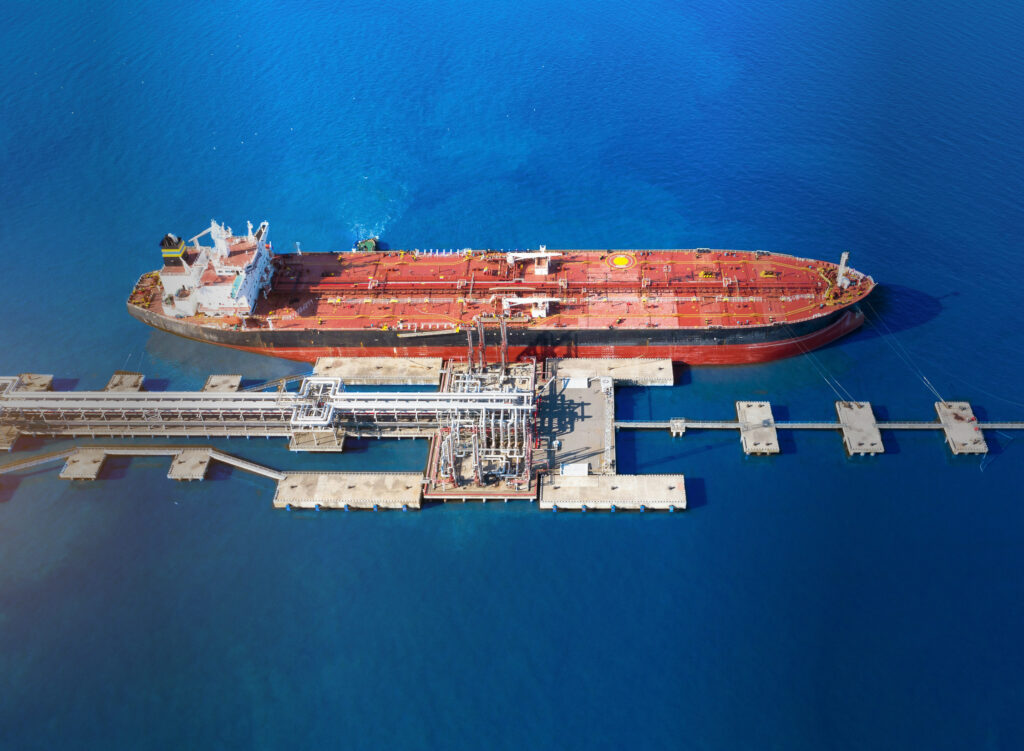
The ultimate linchpin of global economic relief lies in the immediate, unconditional reopening of the Strait of Hormuz. When the waterway was blockaded on March 4, 2026, roughly 20 percent of the world’s petroleum supply and immense volumes of liquefied natural gas became completely stranded overnight.\
According to real-time data from the U.S. Energy Information Administration, this sudden blockade caused a massive supply-side shock, pushing Brent crude past $120 per barrel and sending American consumer price inflation climbing past a steep four percent by May. Reopening this vital shipping artery promises a rapid reversal of these transport crises. As commercial shipping resumes toll-free, the direct costs of retail gasoline, maritime logistics and manufacturing inputs should face significant downward pressure.
How Does Restored Gulf Oil Production Reduce Global Energy Prices?
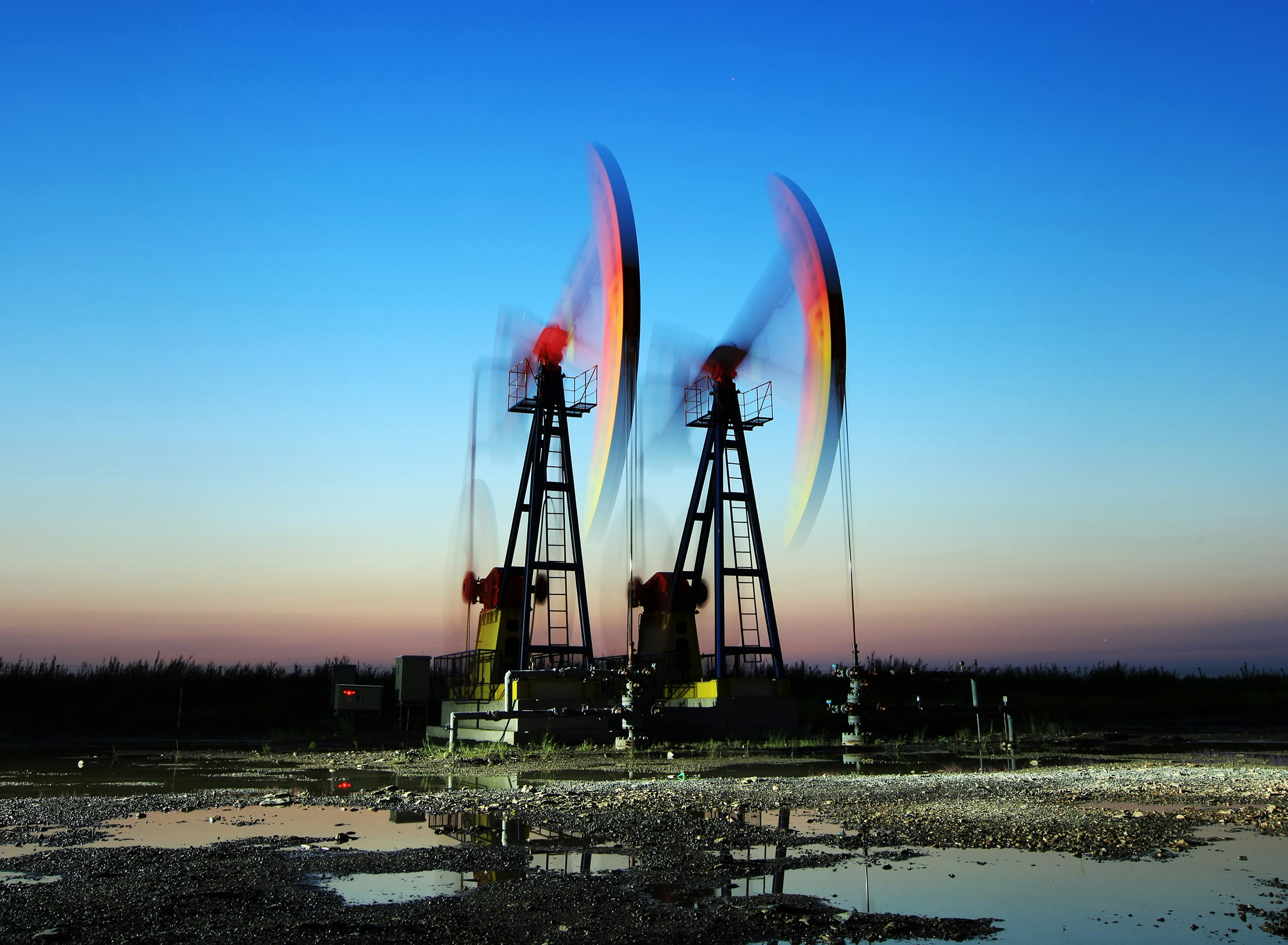
Restoring safe regional operations will also release a massive wave of oil production that has been locked away by security threats. For months, intense drone and missile warfare forced nearby major crude producers like Saudi Arabia and the United Arab Emirates to curb millions of barrels of combined output. A research report by J.P. Morgan Global Research noted how this artificial scarcity kept a hefty geopolitical risk premium permanently baked into fuel prices.
Under the current agreement, security guarantees will allow these regional heavyweights to safely restore dormant production capacity. Furthermore, the 60-day temporary suspension of secondary U.S. sanctions on Iranian oil exports will legally introduce even more crude to the global market, further driving down energy costs.
Will the Peace Deal Allow the Fed and ECB to Resume Rate Cuts in 2026?
This dramatic easing of global commodity pricing alters the calculus for central banking policy across the West. Aggressive energy shocks earlier in the year forced institutions like the European Central Bank and the Federal Reserve to pause planned interest rate reductions, preferring to keep monetary conditions tight to fight the threat of stagflation.
A policy briefing note from the European Central Bank previously warned that a prolonged blockade would inflict structural damage on energy-intensive economies. If the Islamabad agreement successfully drives down oil prices, policymakers can confidently step back from their hawkish stances. Stabilized wholesale prices mean central banks can safely resume cutting rates, which will ultimately ease credit volatility and domestic transport costs.
Still, inflation is a stubborn beast, and a signed piece of paper cannot alter economic realities overnight. Geopolitical analysts from the Council on Foreign Relations point out that the current deal relies on an initial 60-day window, leaving deep, complex problems like nuclear inspections, ballistic missile limits and regional proxy funding up for future debate.
What Happens to Inflation if the U.S.-Iran Peace Window Fails?
If negotiations stumble or regional friction flares back up, the markets will immediately price that volatility back into fuel costs. Furthermore, as the Federal Reserve Bank of Dallas noted in its recent economic modeling, headline inflation reacts quickly to energy shifts, but core inflation — which excludes volatile energy costs — takes months to cool down.
Turning a fragile truce into an enduring economic cure will require meticulous, long-term verification. If the 60-day window holds, the global economy can finally move past the damaging inflation shocks of early 2026.
If it fails, the respite will be painfully brief.
Related article: April Trade Deficit Narrows — But the Real Story Is in the Import Data
Street Talk is the weekly newsletter for retail and fashion executives who want analysis, not noise. New issues every Thursday. Subscribe today.