

Economy
September 1 2026
The latest U.S. retail sales data reveals a notable slowdown in consumer spending, with retail sales falling 0.6% in July 2026 — the largest drop in over a year. This decline follows a period of higher sales in the first half of the year, fueled by events such as the World Cup and early summer sales such as Amazon Prime
Arthur Zaczkiewicz

The latest U.S. retail sales data reveals a notable slowdown in consumer spending, with retail sales falling 0.6% in July 2026 — the largest drop in over a year.
This decline follows a period of higher sales in the first half of the year, fueled by events such as the World Cup and early summer sales such as Amazon Prime Day. However, it’s important to note that a lot of the increased spending was driven by higher, inflationary prices. Unit sales were down.
However, July’s pullback is a different tune and suggests that American consumers are now tightening their belts, raising concerns about economic resilience and the upcoming holiday shopping season.
Implications for Retailers and Brands
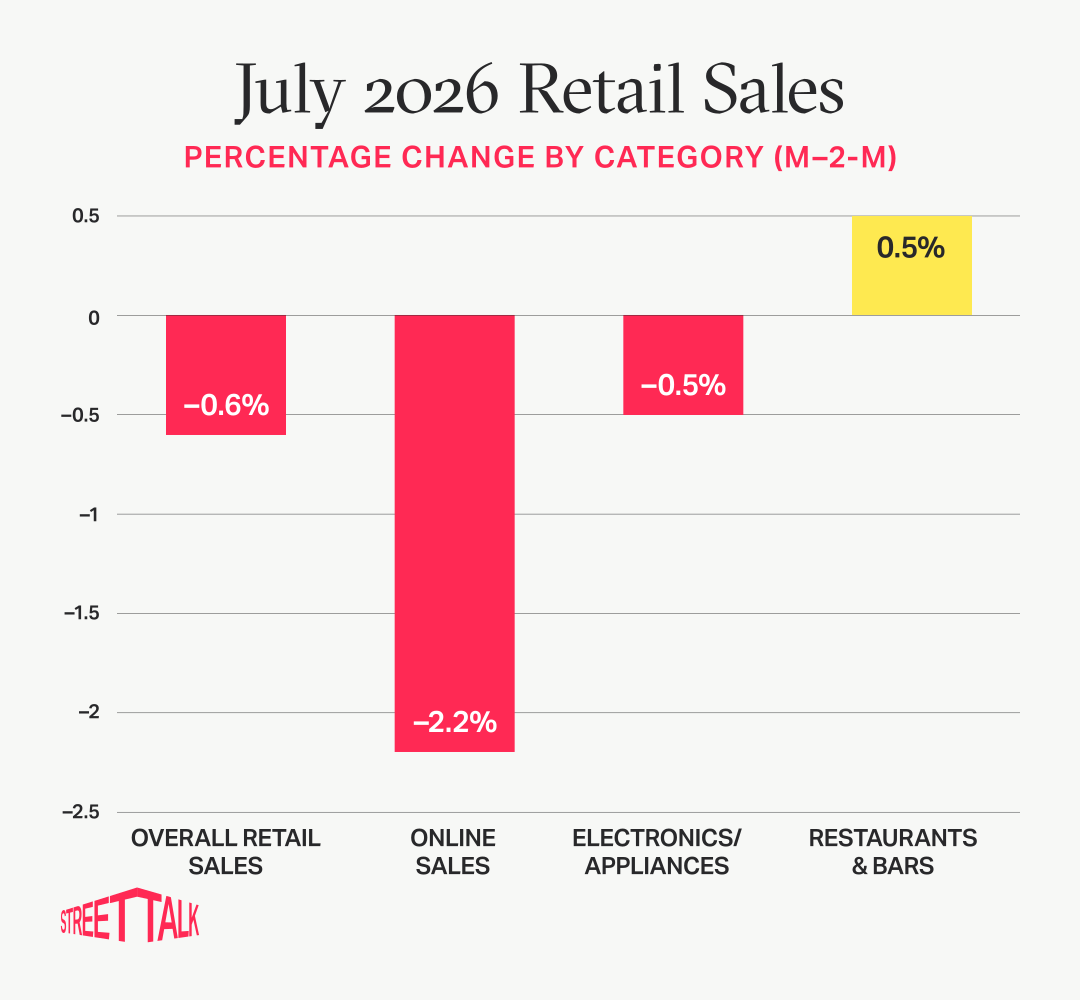
The decline in retail sales was broad-based, with significant drops in online sales (down 2.2%), auto dealerships and gasoline stations. Even categories that had previously shown strength, such as electronics and appliances, experienced a 0.5% decline. The only bright spots in July were spending at restaurants and bars, which rose 0.5%, and apparel, which posted the strongest monthly increase among major categories.
For retailers and brands, this shift signals a need for strategic adjustments. The pullback in online sales, in particular, is a warning sign for e-commerce retailers and digital-first brands that had benefited from early summer promotions. With consumers now prioritizing essentials and discretionary categories like dining out, businesses may need to rethink their inventory and marketing strategies to align with these changing preferences.
The weak retail sales report also follows sluggish jobs figures, suggesting that the economy may be cooling after a stronger first half. Economists caution that higher energy prices and weak income growth as well as depleted savings could lead to a sharper slowdown in the months ahead.
Consumer Sentiment and Holiday Shopping Outlook
Consumer sentiment has also taken a hit, with the University of Michigan’s survey showing an 8% drop in August. The index fell to 51.0 points, down from 55.2 in July, as inflation expectations rose and households grew more pessimistic about both short-term and long-term business conditions. The ongoing conflict in the Middle East and its impact on energy prices have exacerbated these concerns, with 92% of consumers expecting their income growth to lag behind inflation.
The combination of falling retail sales and plunging consumer sentiment paints a cautious picture for the holiday shopping season. Retailers, already grappling with inflation and supply chain uncertainties, may face a more subdued demand environment. Brands that can offer value, flexibility, and compelling promotions are likely to fare better, but the overall mood among consumers is one of caution.
Key Takeaways
The July retail sales report and August sentiment data underscore a shifting economic landscape. Consumers are pulling back, inflation remains a persistent concern, and the holiday season may not deliver the same level of spending as in previous years. Retailers and brands must adapt quickly to these new realities, focusing on value-driven offerings and targeted marketing to capture the attention of increasingly discerning shoppers.
Sources: one, two, three
Related article: “There is Something Profoundly Satisfying About the Tactile, Human-Centric Chaos of a Well-Run Physical Store.”
Street Talk is the weekly newsletter for retail and fashion executives who want analysis, not noise. New issues every Thursday. Subscribe today.