

Retail Tech
October 6 2026
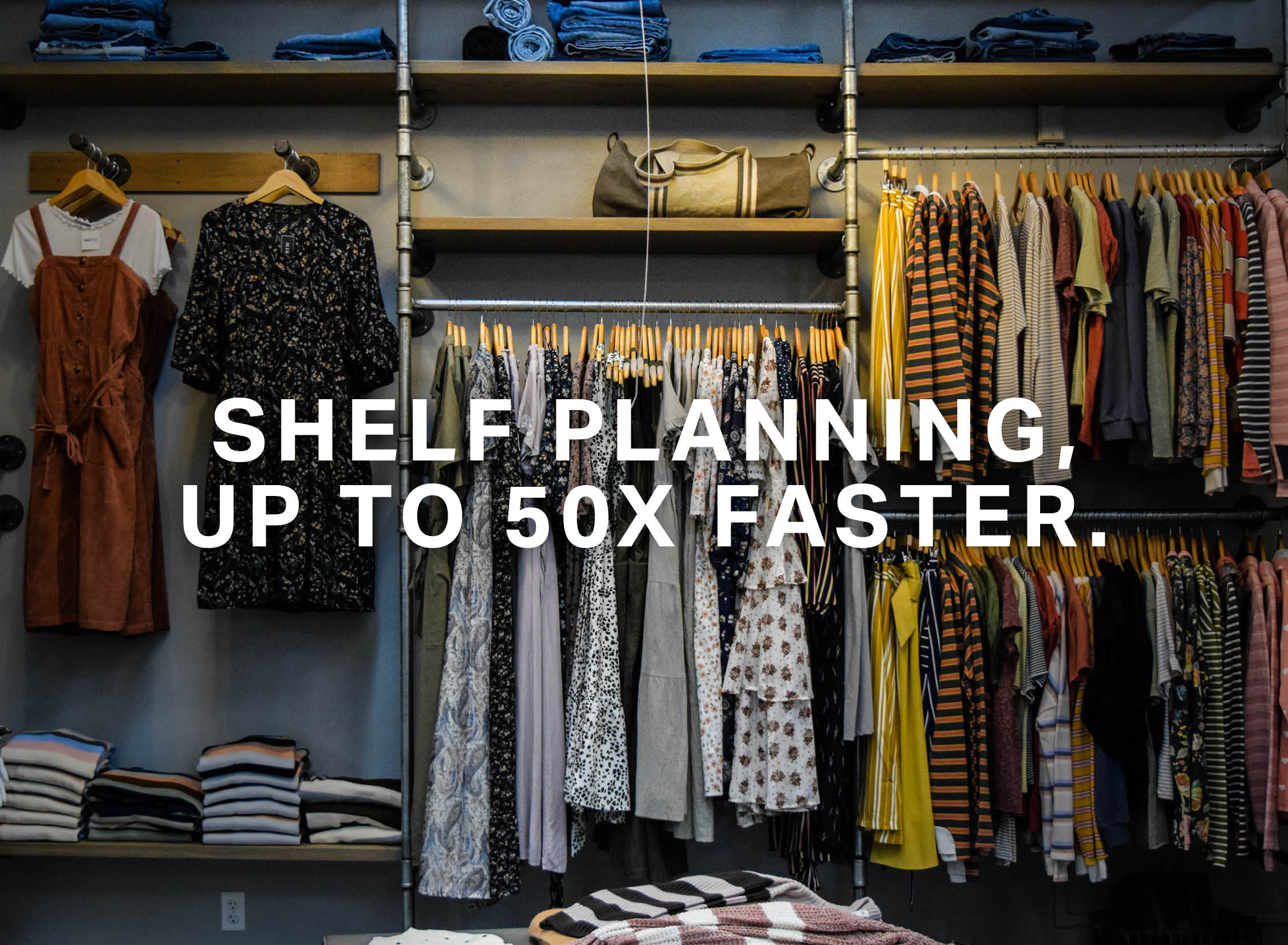
Consumer intelligence provider NielsenIQ unveiled a major upgrade to its flagship retail space planning platform, NIQ Spaceman®, introducing agentic artificial intelligence and cloud automation designed to dramatically accelerate store-level shelf planning. The enhancements allow retail operators to generate store-specific planograms up to 50 times faster than traditional methods. Trusted by more than 600 retailers in 65 countries, the updated platform
Corner of Fifth

Consumer intelligence provider NielsenIQ unveiled a major upgrade to its flagship retail space planning platform, NIQ Spaceman®, introducing agentic artificial intelligence and cloud automation designed to dramatically accelerate store-level shelf planning.
The enhancements allow retail operators to generate store-specific planograms up to 50 times faster than traditional methods. Trusted by more than 600 retailers in 65 countries, the updated platform aims to solve long-standing friction between central merchandising strategies and store execution.
At the center of the platform upgrade is NIQ Optiq, what the company describes as a conversational AI interface that enables category management teams to build, adjust and optimize shelf layouts using natural-language commands. Beyond rapid planogram creation, the update adds expanded cloud access and automated compliance measurement features. These tools track store execution to highlight stock placement discrepancies and compliance gaps without labor-intensive manual audits.
According to Natalie Williams, senior vice president of product at NIQ, integrating agentic AI into core workflows addresses growing operational pressure on retail organizations to adapt quickly to shifting consumer behavior and regional demand. By automating tedious planning routines, spatial planning teams can spend less time manually configuring shelf grids and more time identifying and acting on growth opportunities.
What Does Agentic AI in Space Planning Mean for Retailers?
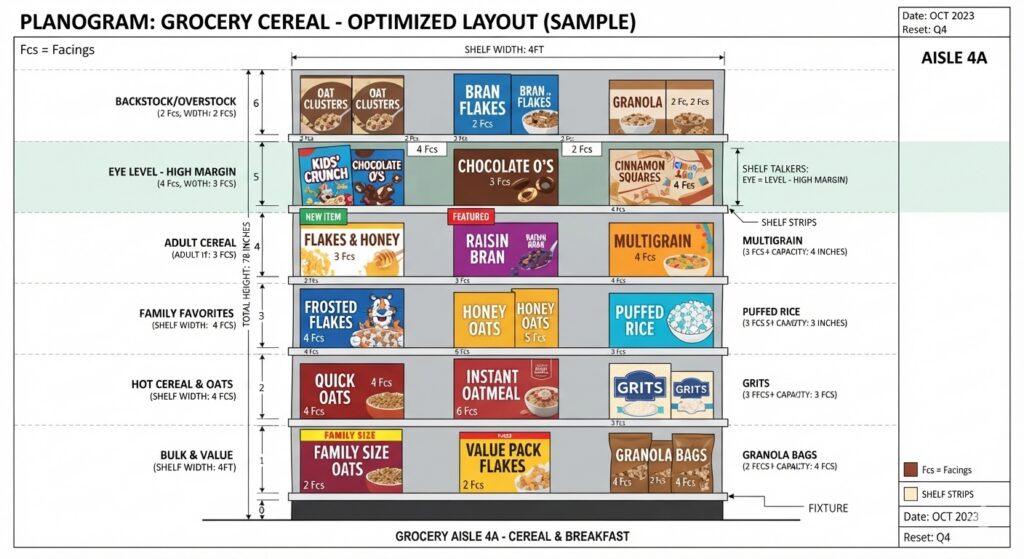
The integration of agentic AI and cloud automation into shelf-space management marks a notable transition from static, generalized store planning toward dynamic, hyper-localized merchandising.
Historically, tailoring planograms to match demographic profiles, purchasing behaviors and physical constraints of individual stores required huge investments of time and labor. Consequently, many large retail chains relied on broad cluster-based planograms that left regional demand preferences untapped. By expediting planogram production up to 50 times faster, retailers can scale true store-level localization across massive networks.
This allows merchandising teams to optimize product mix, reduce out-of-stocks on regional favorites, and maximize sales revenue per square foot.
One persistent challenge in retail operations is the disconnect between central floor plans and what reaches the store shelf. Execution leakage caused by misallocated stock, delayed resets, or incorrect shelf placement costs the industry billions annually. Automated AI-powered compliance tracking gives retail management clear visibility into store-level adherence. By identifying missing items or incorrect facings early, retailers can maintain consistent shelf standards, protect trade promotion investments, and ensure shoppers find the items they expect.
Can Conversational AI Finally End Cluster-Based Planograms?
For consumer packaged goods (CPG) brands, conversational AI in space planning changes how vendor partners collaborate with retail buyers. Category managers working with brand strategists can run real-time “what-if” scenarios during joint business planning using conversational prompts. Instead of waiting days or weeks for revised floor layouts, teams can model the sales impact of new product introductions, packaging size shifts or shelf reallocations instantly.
By shifting routine administrative tasks such as updating dimensions, re-aligning facings and distributing localized layouts to autonomous AI agents, category management teams can focus on higher-value activities. Merchandisers can redirect their focus toward predictive trend analysis, consumer path-to-purchase optimization, and collaborative vendor strategies, turning retail planning from a reactive administrative chore to a proactive revenue engine.
Related article: Simbe Adds VP of Client Success, Expands Industry Leadership Roles
Street Talk is the weekly newsletter for retail and fashion executives who want analysis, not noise. New issues every Thursday. Subscribe today.