


Retail
September 29 2026
Cato Corp. is closing 70 more stores in 2026, bringing its total to roughly 120 closures — about 10% of its footprint. It joins a wider wave led by Rite Aid (1,200+ closures), Joann (800) and Party City (700), driven mainly by lease expirations and Chapter 11 restructurings, not a uniform retail downturn. Last week, Cato Corp. expanded its store
Corner of Fifth

Cato Corp. is closing 70 more stores in 2026, bringing its total to roughly 120 closures — about 10% of its footprint. It joins a wider wave led by Rite Aid (1,200+ closures), Joann (800) and Party City (700), driven mainly by lease expirations and Chapter 11 restructurings, not a uniform retail downturn.
Last week, Cato Corp. expanded its store closure strategy, announcing plans to shutter approximately 70 additional underperforming locations during the third and fourth quarters. The move raises the value-priced apparel retailer’s total planned closures for fiscal 2026 to roughly 120 stores — about 10% of its brick-and-mortar footprint.
Cato had previously shuttered an average of 60 locations annually since 2022, but management accelerated its downsizing efforts as underperforming stores continued to weigh on overall profitability. All affected locations are reaching the end of their lease terms, allowing the company to exit without ongoing rent obligations while incurring $1 million to $1.3 million in system and fixture disposal costs.
The accelerated pull-back is primarily driven by macro-economic pressure on Cato’s core customer base. Persistent inflation, elevated interest rates, and high food and fuel costs have squeezed discretionary spending for value-conscious shoppers, sharply reducing demand for non-essential apparel.
CEO John Cato said while the company previously renewed marginal store leases for an extra year to allow time for sales to recover, management no longer expects those locations to meaningfully improve in the current economic climate. By letting these leases naturally expire and shedding unprofitable units, the retailer aims to lower operating costs and return to positive operating growth starting in fiscal 2027.
Which Retail Sectors Have Seen the Most Store Closures?
Cato isn’t the only retailer facing fiscal pressure and being forced to close or enter bankruptcy protection.
Over the past 12 months, the U.S. retail landscape experienced a significant re-sorting. While overall store closures decelerated from peak pandemic levels, persistent high interest rates, shifting consumer habits and post-restructuring liquidations forced several national brands into Chapter 11 bankruptcy and widespread footprint rationalizations.
Industry data highlights that store closures over the past year have been heavily concentrated among a handful of major corporate liquidations. Rather than an across-the-board collapse of physical retail, bankrupt big-box operators, pharmacy chains and specialty apparel brands drove the majority of shuttered square footage.
Major contributors to recent store closures include:
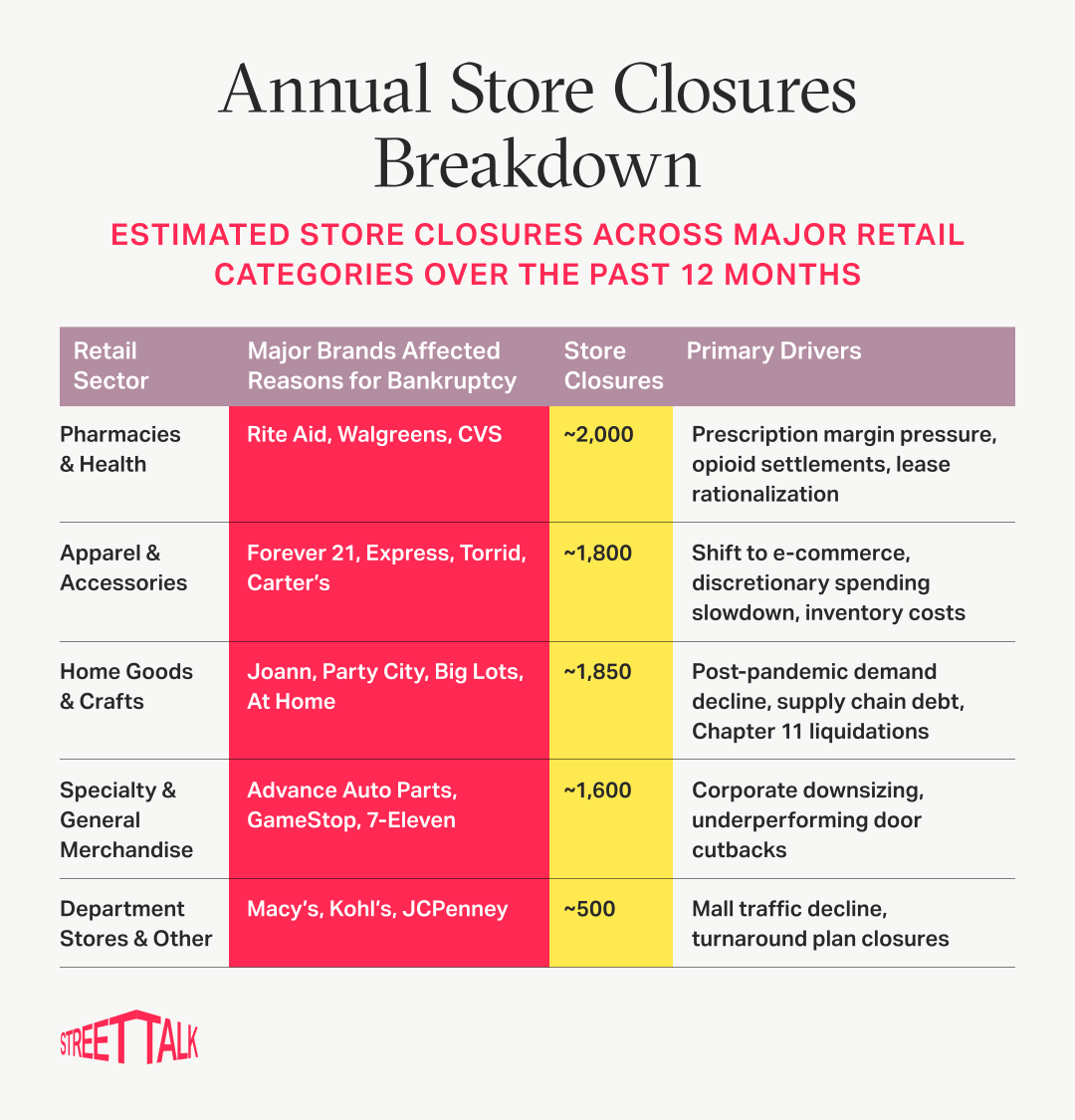
- Rite Aid: Shuttered over 1,200 locations nationwide following bankruptcy restructuring proceedings.
- Joann Fabrics: Liquidated approximately 800 U.S. stores after entering Chapter 11 bankruptcy.
- Party City: Closed nearly 700 locations as part of its bankruptcy liquidation.
- Forever 21 & Big Lots: Shuttered hundreds of stores across the country to reduce operating overhead and debt burdens.
- Automotive & Specialty Retailers: Non-bankruptcy fleet reductions, including Advance Auto Parts and GameStop, added over 1,400 additional closures.
The table below breaks down estimated store closures across major retail categories over the past 12 months:
Will Store Closures Continue Into 2027?
While total store closures remain elevated compared to historical averages, market analysts note that new store openings in value retail, discount grocery, and off-price apparel continue to partially offset these losses.
Commercial real estate absorption remains starkly divided, with modern suburban retail centers in the Sun Belt maintaining high occupancy while older shopping malls in secondary markets face prolonged vacancy challenges.
Related article: “There is Something Profoundly Satisfying About the Tactile, Human-Centric Chaos of a Well-Run Physical Store.”
Street Talk is the weekly newsletter for retail and fashion executives who want analysis, not noise. New issues every Thursday. Subscribe today.