

Retail
June 3 2026
Millennials and Gen Z are entering the luxury watch secondary market as asset-class collectors, not status seekers. New data from Gray & Sons reveals they treat high-end timepieces — particularly Rolex, Cartier, and Audemars Piguet sport models — as wearable financial portfolios: entering at accessible price points, tracking secondary market indices, and trading up systematically to preserve and grow capital
Arthur Zaczkiewicz

Millennials and Gen Z are entering the luxury watch secondary market as asset-class collectors, not status seekers. New data from Gray & Sons reveals they treat high-end timepieces — particularly Rolex, Cartier, and Audemars Piguet sport models — as wearable financial portfolios: entering at accessible price points, tracking secondary market indices, and trading up systematically to preserve and grow capital
The traditional view of the luxury watch market is officially outdated. A newly released report from Gray & Sons Jewelers, tracking over a decade of internal sales and trade-in data, confirms a massive demographic pivot: Millennials and Gen Z are aggressively entering the secondary luxury watch market.
Far from just buying accessories, these younger generational cohorts are treating high-end timepieces as dynamic financial assets. An investment, really. This trend is triggering a ripple effect across the entire retail landscape, reshaping how brands sell, how consumers buy and how the resale ecosystem operates.
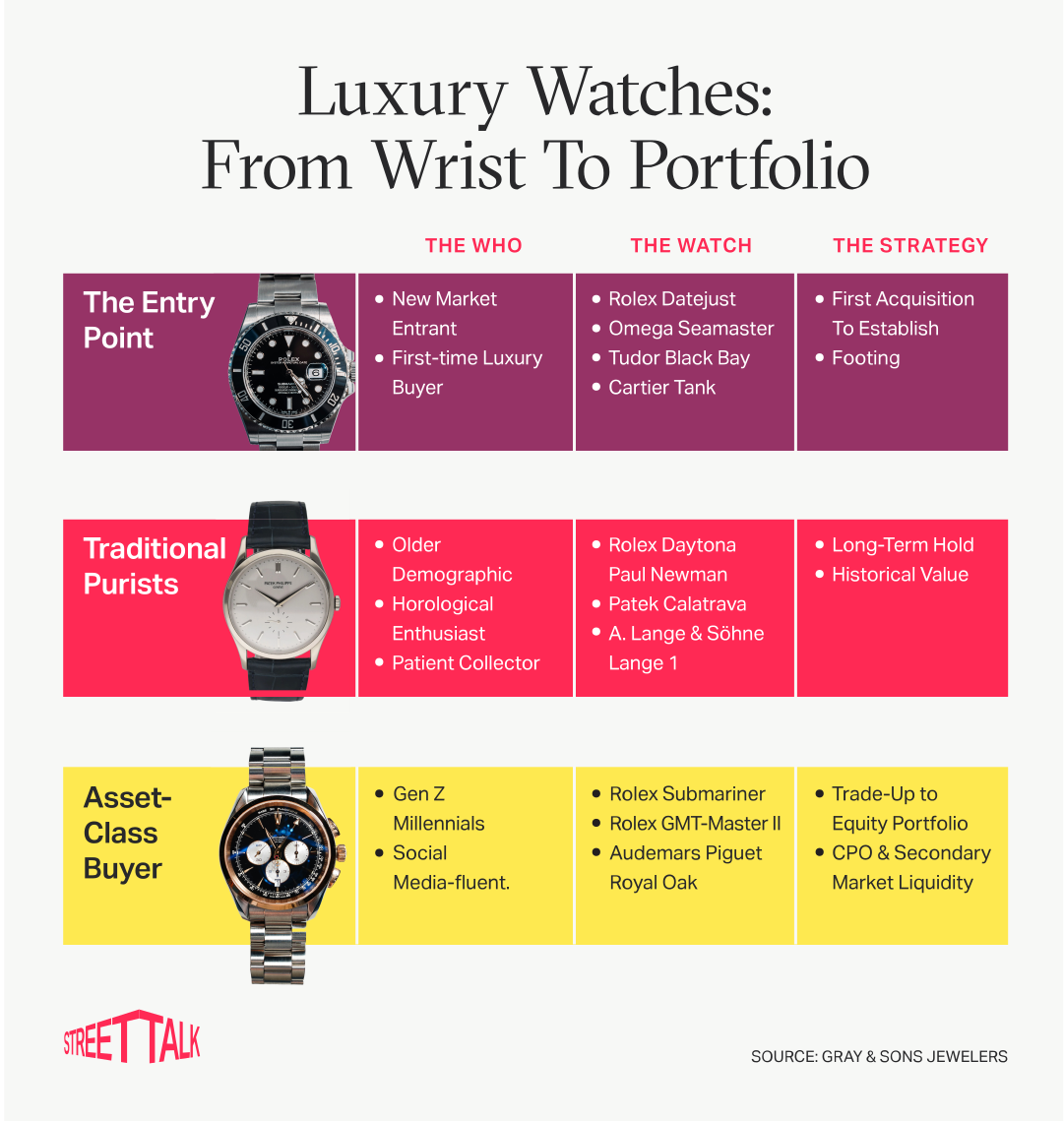
The report highlights a fascinating division in the modern secondary watch market. It is no longer a monolith of older, established hobbyists. Instead, it has bifurcated into two distinct collector profiles, both creating a highly liquid secondary ecosystem.
What Are the Two Types of Luxury Watch Buyers Today?
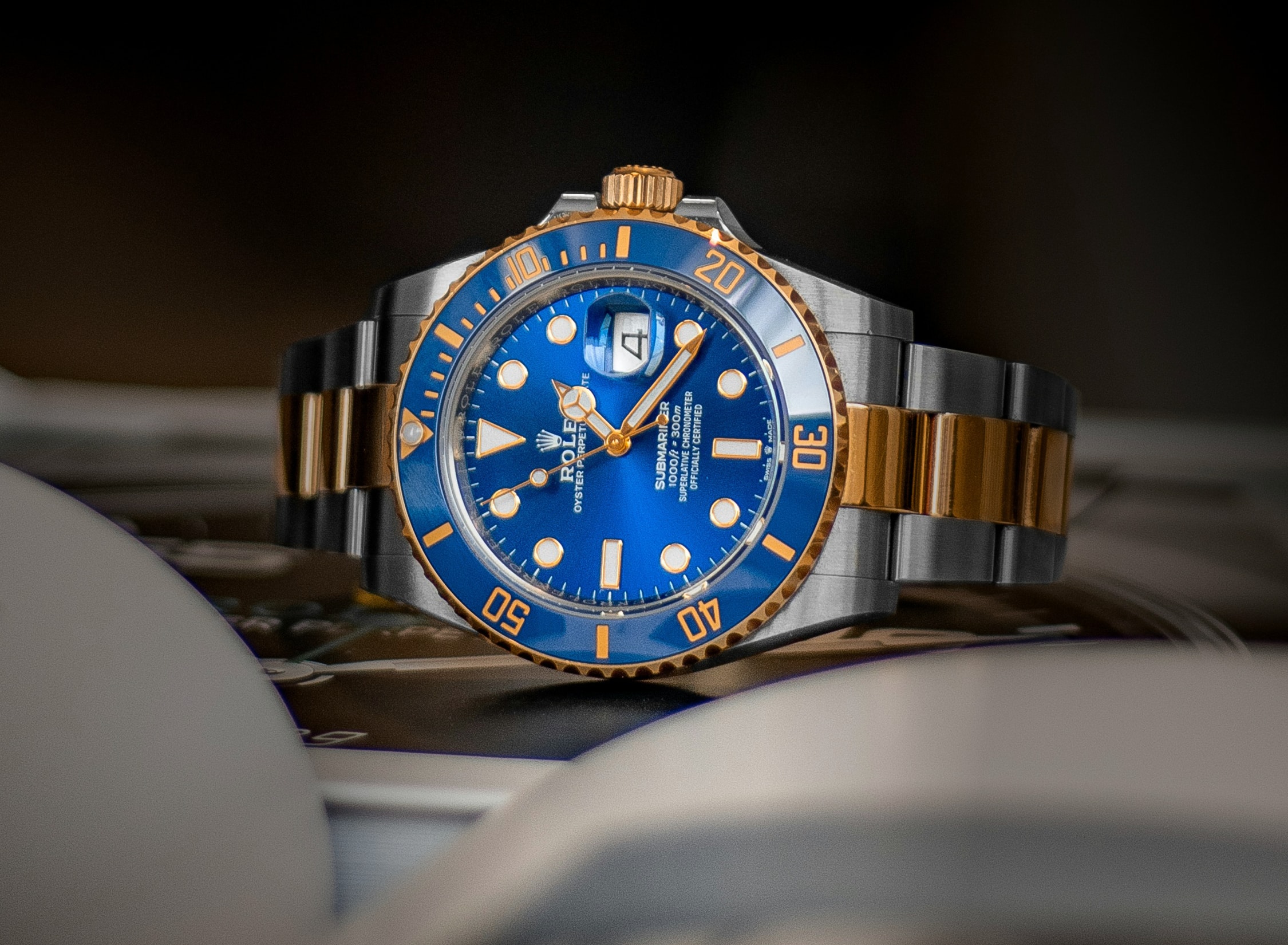
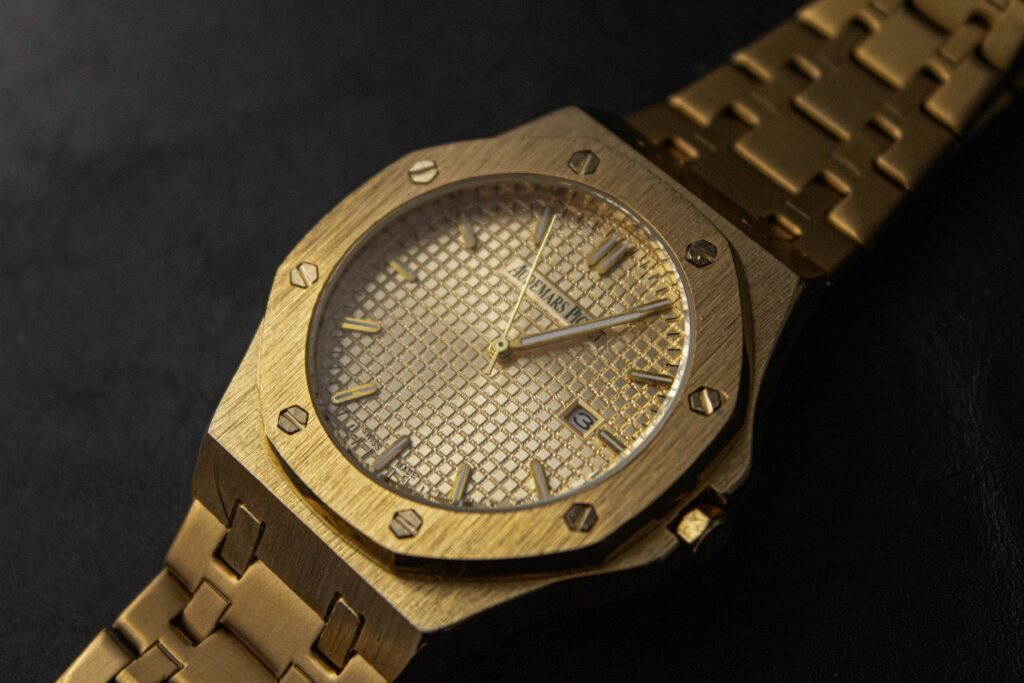
On one hand, the asset-class collector, represented heavily by younger cohorts, prioritizes investment potential and liquidity as well as daily versatility. They gravitate toward highly recognizable sport models such as the Rolex Submariner, GMT-Master II, Daytona, Cartier Santos and Audemars Piguet Royal Oak. Their decisions are heavily driven by social media influence, digital transparency and real-time market pricing aggregates. Their consumer journey often begins with an entry-point model like a Rolex Datejust or Omega Seamaster, with the explicit intention to trade up as equity grows.
On the other hand, the traditional purist collector, often comprising older demographics, continues to pursue historical significance, horological complexity and mechanical rarity. They hunt for vintage references, grand complications and rare independent brands. While these veteran collectors tend to buy and hold for the long term, the influx of younger, transaction-oriented buyers has infused unprecedented liquidity into the market.
This demographic shift from status symbol to wearable investment asset carries severe strategic implications for three core pillars of the industry.
For traditional retailers and authorized dealers, this shift challenges the long-standing playbook of artificial scarcity and multi-year waiting lists. Younger consumers tend to prioritize immediate gratification and market transparency over the traditional retail gatekeeping experience. As Gray & Sons noted, there is a booming preference for certified pre-owned timepieces over brand-new retail purchases. Buyers are increasingly willing to pay a market premium online or in showrooms to secure immediate availability of a discontinued or hard-to-source reference.
Brick-and-mortar retailers must quickly adapt by integrating robust trade-in programs and seamless digital discovery, or risk losing the lifetime value of this emerging affluent class.
Are Luxury Watchmakers Losing Pricing Power to the Secondary Market?
Luxury watch brands and manufacturers are similarly losing absolute control over their pricing power and brand narratives. Because Gen Z and Millennials rely so heavily on social media and digital pricing aggregates, a watch’s value is increasingly determined by the open secondary market rather than the manufacturer’s suggested retail price.
To capture this shifting value, major watchmakers are forcing themselves into the secondary space through certified pre-owned initiatives. Legacy brands are realizing they must treat the secondary market as an essential feature of their ecosystem, designing timepieces with a careful eye toward their eventual residual value.
How has the Watch Resale Market Become an Institutionalized Financial System?
Finally, the resale market itself is evolving from a fragmented network of hobbyist forums into a highly sophisticated, institutionalized financial ecosystem.
Trade-up transactions have become a standard consumer behavior. Young collectors treat their watch boxes like equity portfolios, purchasing an accessible asset and watching the market indices fluctuate before liquidating or trading that asset to fund a higher-tier acquisition.
For established secondary players, this means the competitive edge relies entirely on maintaining a flawless authentication pipeline to protect consumers from increasingly sophisticated counterfeits, alongside providing transparent, real-time market valuations to facilitate high-velocity trading. Gray & Sons’ data underscores a permanent cultural transition. The modern luxury watch has transcended its role as a static indicator of wealth. For the new generation of collectors, it has successfully evolved into a fluid, wearable financial portfolio that balances personal style with long-term capital preservation.
Related article: The ‘Birkin Boom’ – Why Luxury Handbags Are Outpacing the S&P 500
Street Talk is the weekly newsletter for retail and fashion executives who want analysis, not noise. New issues every Thursday. Subscribe today.