

Analysis
April 29 2026
In an era defined by what industry experts call “permanent disruption,” the global fashion and apparel landscape is undergoing a profound transformation. The industry is moving away from a product-only mindset toward a holistic, lifestyle-oriented strategy. Recent insights from market research leaders from Euromonitor and other firms as well as veteran designers reveal that success in 2026 hinges on three
Arthur Zaczkiewicz

In an era defined by what industry experts call “permanent disruption,” the global fashion and apparel landscape is undergoing a profound transformation. The industry is moving away from a product-only mindset toward a holistic, lifestyle-oriented strategy.
Recent insights from market research leaders from Euromonitor and other firms as well as veteran designers reveal that success in 2026 hinges on three core pillars: geographical agility, radical inclusivity and the transition from “selling goods” to “building communities.”
The specter of tariffs and escalating geopolitical tensions has forced a strategic pivot in how brands manage their global footprint. Uncertainty is no longer a temporary hurdle, but the baseline for business operations. For many brands, this has triggered a dual movement: diversifying retail markets and decentralizing supply chains to mitigate risk.
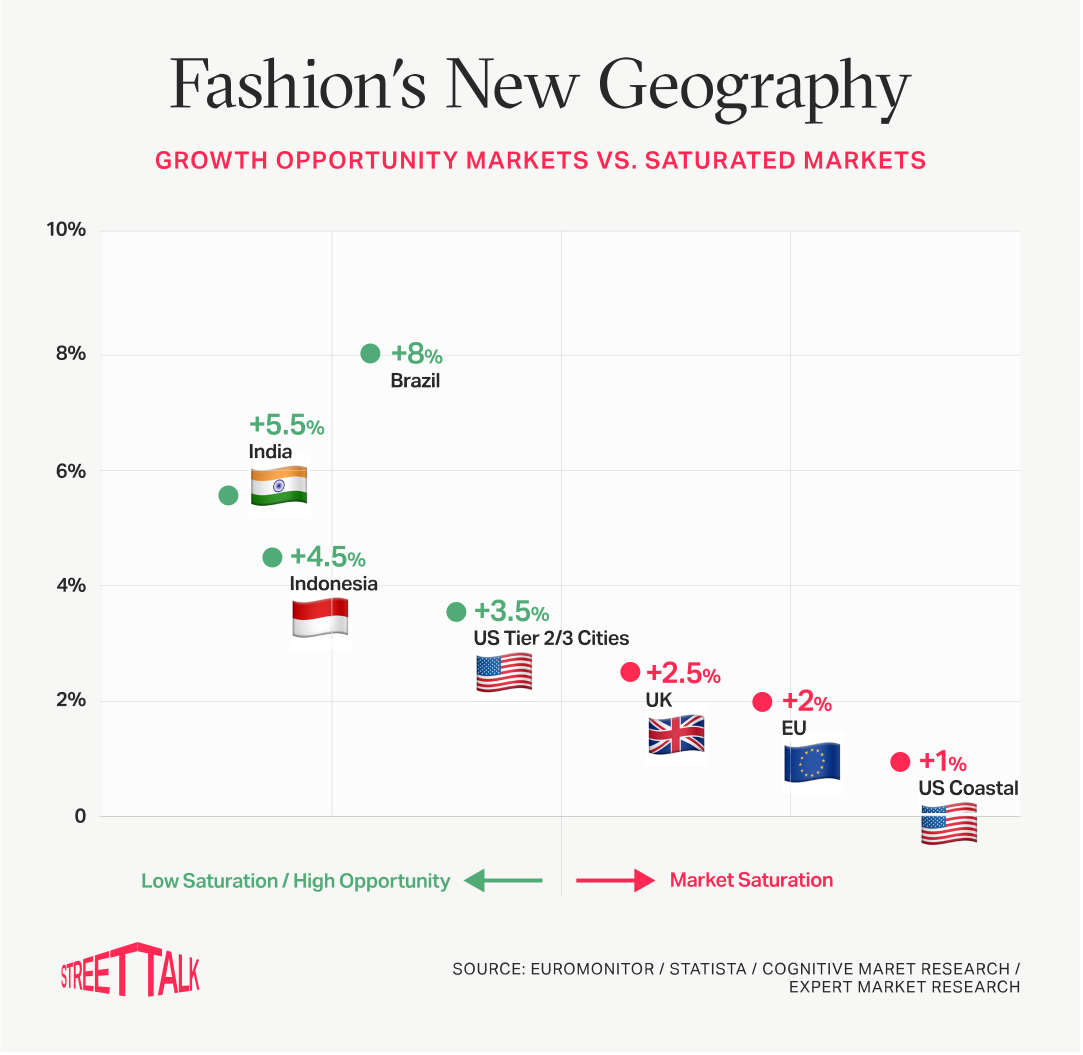
As the U.S. and European markets experience flatter growth, savvy players are hunting for “pockets of growth” in emerging economies such as India, Indonesia and Brazil. However, the “one size fits all” approach of the past decade has been discarded. Modern expansion relies on deep local expertise and partnerships to navigate unique cultural nuances. Interestingly, even within established markets like the U.S., luxury brands are moving beyond traditional coastal hubs (New York and Los Angeles) to target wealthy demographics in Tier 2 and Tier 3 cities, finding untapped potential in the so-called “inside states.”
One of the most significant shifts in the apparel sector is the long-overdue recognition of the plus-size and underserved consumer. With over 60% of the American population falling into these categories, designers like Dora Lau, CEO of Dora Elle International, are reframing inclusivity not just as a marketing slogan, but as a technical necessity.
In the intimate apparel space, the challenge is balancing aesthetic appeal with the rigorous engineering required for support and comfort. The transition to remote work during the pandemic permanently altered consumer expectations. Comfort is now non-negotiable. Designers are responding by utilizing innovative fabric selections and “natural lift” constructions that provide a great foundation without the rigidity of traditional corsetry. This focus on “fit-first” design serves a dual purpose: it solves a functional problem for the consumer while simultaneously boosting self-esteem, Lau said during a recent Street Talk podcast episode. She said this is factor that brands now recognize as a key driver of customer loyalty.
How are Luxury Brands Turning Stores Into Community Spaces — and Why Does it Drive a Price Premium?
Perhaps the most radical trend is the “lifestyle-ization” of fashion. Consumers are increasingly deprioritizing tangible goods in favor of experiences. Luxury brands are responding by branching into hospitality, gastronomy and exclusive events, turning their boutiques into “third spaces” where shopping is secondary to immersion in the brand’s universe.
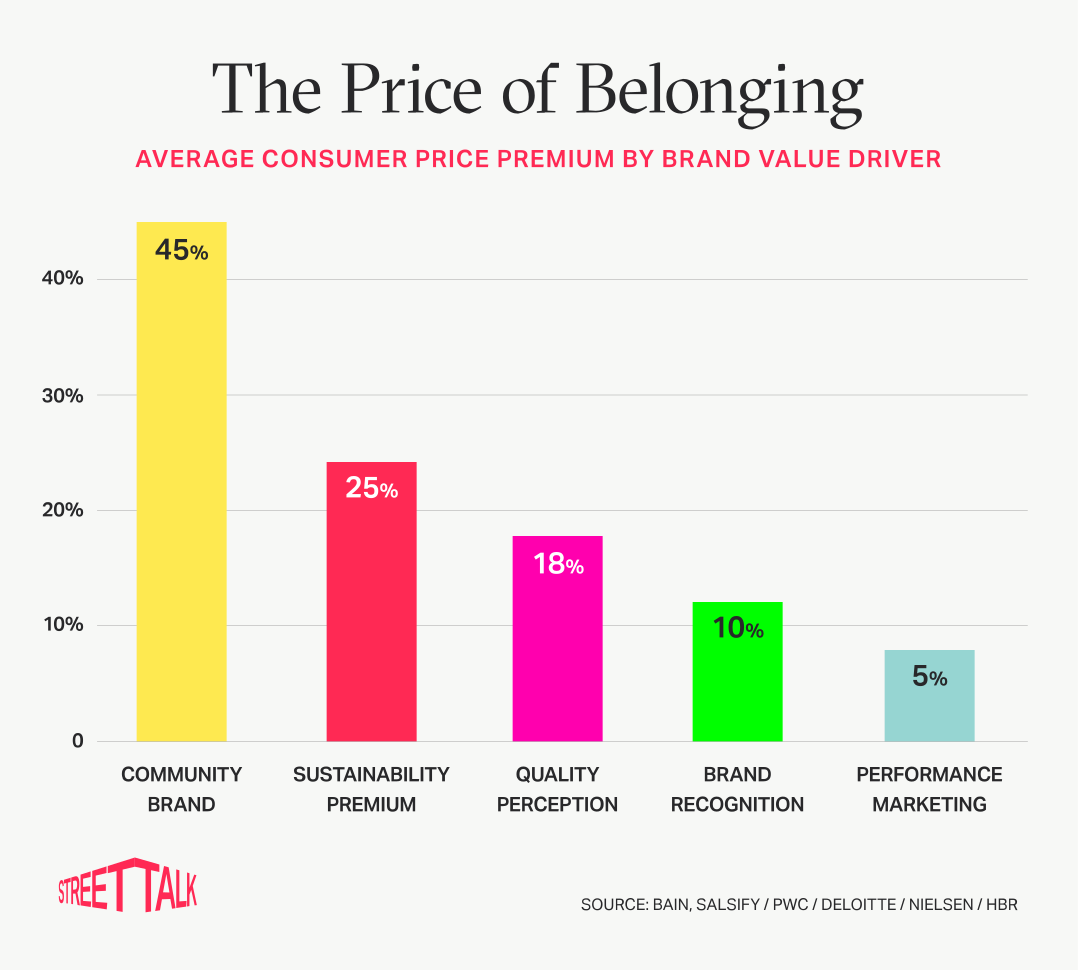
This shift is mirrored in the rise of community-driven marketing. Whether it’s a high-performance sportswear brand like Hoka hosting free local running clubs or luxury labels creating invite-only social experiences, the goal is the same: to build a tribe. Data suggests that consumers are willing to pay a premium of 40% to 50% for products from brands they trust and feel a sense of belonging to. This community bond also serves as a primary defense against the “dupe” culture and the resale market, as it offers a social value that a knock-off cannot replicate.
While loud public pledges regarding Environmental, Social, and Governance (ESG) initiatives have quieted down in the wake of immediate economic pressures, sustainability remains a critical background driver. The industry is moving from performative communication to structural adaptation, largely driven by tightening regulations in the European Union.
For emerging brands, the advice from industry veterans is clear: start with transparency. Genuine value propositions that are centered on fair labor practices and supply chain visibility are becoming the baseline for building trust with Gen Z and Alpha consumers.
What Should C-suite Fashion Executives Prioritize to Grow Market share in 2026?
As the industry navigates this complex web of technological disruption and shifting consumer values, the brands that thrive will be those that view their garments not just as items of clothing, but as essential components of a consumer’s broader lifestyle and identity.

Related article: The Alchemist’s Mandate: Leading Through Chaos, Craft, and the Feminine Center
The Street Talk newsletter delivers the sharpest fashion, beauty, and retail analysis every Thursday — straight from Arthur Zaczkiewicz, former Executive Editor at WWD. Subscribe today.