
Analysis
October 20 2026
Accelerating inflation is forcing shoppers to split spending between essentials and everything else, and retail strategy has to follow. Holiday forecasts look strong, but headline growth may overstate how much shoppers are actually buying. Recent economic data shows consumer inflation is accelerating again, posing new challenges for households. And the implications for retailers and brands are broad, cutting across categories
Corner of Fifth

Accelerating inflation is forcing shoppers to split spending between essentials and everything else, and retail strategy has to follow. Holiday forecasts look strong, but headline growth may overstate how much shoppers are actually buying.
Recent economic data shows consumer inflation is accelerating again, posing new challenges for households. And the implications for retailers and brands are broad, cutting across categories and requiring a shift in strategies.
What Did September’s CPI Report Show?
The latest Consumer Price Index report from the U.S. Bureau of Labor Statistics revealed annual inflation rose to 3.7 percent in September, up from 3.4 percent in August. Monthly prices increased by 0.6 percent, driven mainly by persistent pressures in energy markets and elevated costs across essential service sectors.
Core inflation, which excludes volatile food and energy costs, also remained higher than expected at 2.6 percent year over year, showing inflationary pressures remain stubborn across the broader economy.
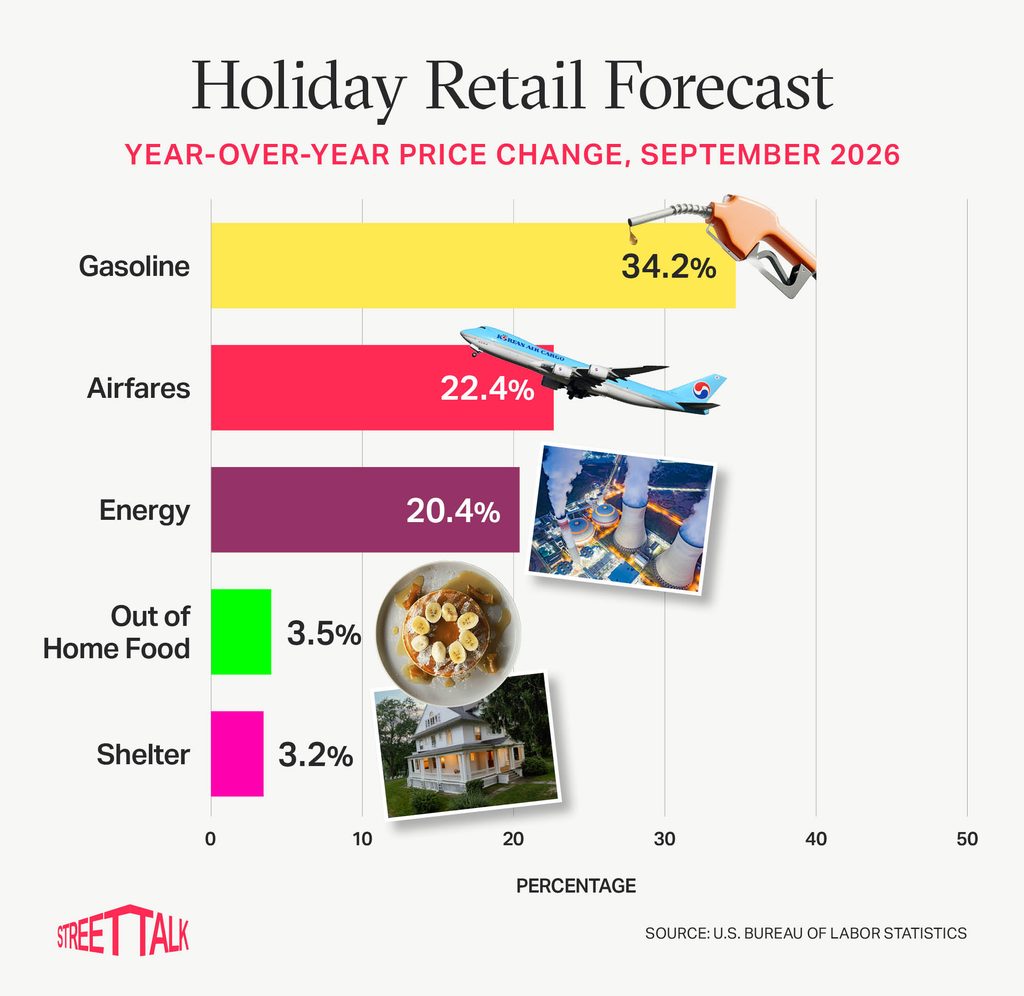
The most significant price increases remain concentrated in everyday essential categories. Energy costs spiked sharply, climbing over 20 percent in the past 12 months. Gasoline prices jumped 34.2 percent year over year and rose over 9 percent in a single month. Outside energy, consumer budgets faced pressure from transportation services, with airline fares surging over 22 percent and vehicle maintenance costs rising nearly 6 percent.
Housing and shelter expenses stayed elevated with a 3.2 percent annual increase, while food away from home rose 3.5 percent. These sustained increases in high-frequency purchase categories reduce discretionary income, forcing consumers to adjust their purchasing decisions.
How Should Retailers Respond To Rising Prices?
In response to these price hikes, consumer spending has shifted toward value preservation and defensive budgeting.
Middle- and lower-income households increasingly trade down to private-label offerings, seek discount retailers and cut back on non-essential purchases like home furnishings, apparel and recreational goods. Rather than pulling back uniformly, shoppers adopt highly selective spending habits. Spending on necessity items and essential utilities remains locked in at higher prices, forcing shoppers to pull funding from discretionary categories or delay major household purchases until financing terms or prices stabilize.
For retailers and national brands, these shifting dynamics create an urgent need for strategic pivots. Retailers must reevaluate pricing structures, promotion cadences and inventory assortments to maintain market share.
Brands focusing on value messaging, entry-level product tiers and loyalty incentives are better positioned to retain cost-conscious shoppers. At the same time, businesses face pressure on operational margins as rising transportation, energy, and labor costs make price cuts difficult to sustain. Companies that adapt by offering transparent value, optimizing store-brand inventories, and leveraging localized promotional strategies will be best equipped to navigate this period of consumer tightening.
How Strong Will Holiday 2026 Retail Sales Be?
Major retail industry forecasters project a resilient 2026 holiday shopping season, with total sales expected to reach historic milestones despite lingering economic pressures. The National Retail Federation (NRF) estimates U.S. holiday retail sales for November and December will increase by 4.2 percent from the previous year, surpassing the trillion-dollar threshold for the first time to reach about $1.013 trillion.
Complementing this outlook, Deloitte’s seasonal report projects total retail sales growth between 4 and 4.8 percent for the broader November-through-January period, driven largely by steady consumer demand and strong participation from younger demographics. However, analysts note these gains may reflect a K-shaped economy, where higher-income households fund most luxury and gift purchases while budget-conscious consumers remain selective.
On the digital front, e-commerce is expected to expand rapidly as online platforms, mobile applications and AI-driven shopping assistants guide more consumer decisions. Adobe projects U.S. online holiday sales will climb about 6.7 percent to reach a record $275.1 billion for the November-December period.
Meanwhile, Deloitte expects digital retail growth between 7.5 and 8.4 percent over its extended tracking period, fueled by alternative payment methods like buy now, pay later (BNPL) services and heavier reliance on integrated tech tools. Despite uneven economic conditions and cost-of-living constraints across income brackets, these forecasts indicate a strong finish to the retail year. But it comes with a caveat.
Is Inflation Inflating Holiday Sales?
The year-over-year gains reflects inflationary price pressure. Some analysts estimate that up to 60 percent of retail sales gains in due to inflation. The true picture will be revealed when unit sales data in released in January.
Sources: National Retail Federation (NRF), Deloitte, Adobe
Related article: Can Retailers Win the Holiday Season Without Discounting Their Way There?
Street Talk is the weekly newsletter for retail and fashion executives who want analysis, not noise. New issues every Thursday. Subscribe today.