
Retail Tech
September 15 2026
TRG Datacenters ranks the U.S. first for internet resilience, with 115 submarine cables and 209 internet exchange points giving it the fastest failover globally. As the sophistication of cyber-attacks notches up with the rise of artificial intelligence, the resilience of physical infrastructure becomes a critical operational issue. New research from datacenter provider TRG Datacenters ranks and profiles nearly 100 countries
Corner of Fifth

TRG Datacenters ranks the U.S. first for internet resilience, with 115 submarine cables and 209 internet exchange points giving it the fastest failover globally.
As the sophistication of cyber-attacks notches up with the rise of artificial intelligence, the resilience of physical infrastructure becomes a critical operational issue.
New research from datacenter provider TRG Datacenters ranks and profiles nearly 100 countries around the world in terms of their backup capabilities to protect against widespread failure of digital systems. Key factors considered in determining country rankings include physical redundancy at the edge (cable landing stations, subsea cables, Internet exchange points etc), as well as basic building block issues such as grid quality and cybersecurity.
Why Does the U.S. Have The World’s Most Resilient Internet?
The United States ranks highest with a vulnerability score of zero. This is thanks in part to its extensive network of 115 submarine cables as well as 209 internet exchange points, which would allow for the fastest failover in the event of localized failure. In second place globally is Indonesia with 72 submarine cables and a very strong cybersecurity rating. Third placed Europe country is the U.K. with 65 submarine cables connecting the country to the rest of the world and 30+ local internet exchange points.
Japan and Brazil round out the top five with strong regional routing and high power coverage to key datacenter locations.
The report offers new yardsticks for business leaders to assess the resilience of their operation, the risk of their cloud services and that of their international activities. Subsea cables and their connection points to the local Internet in the form of Internet Exchange Points (IXPs) are a key component of SaaS, payment services and supply chains.
How Does an Anchor Drop Shut Down Internet Across Three Countries?
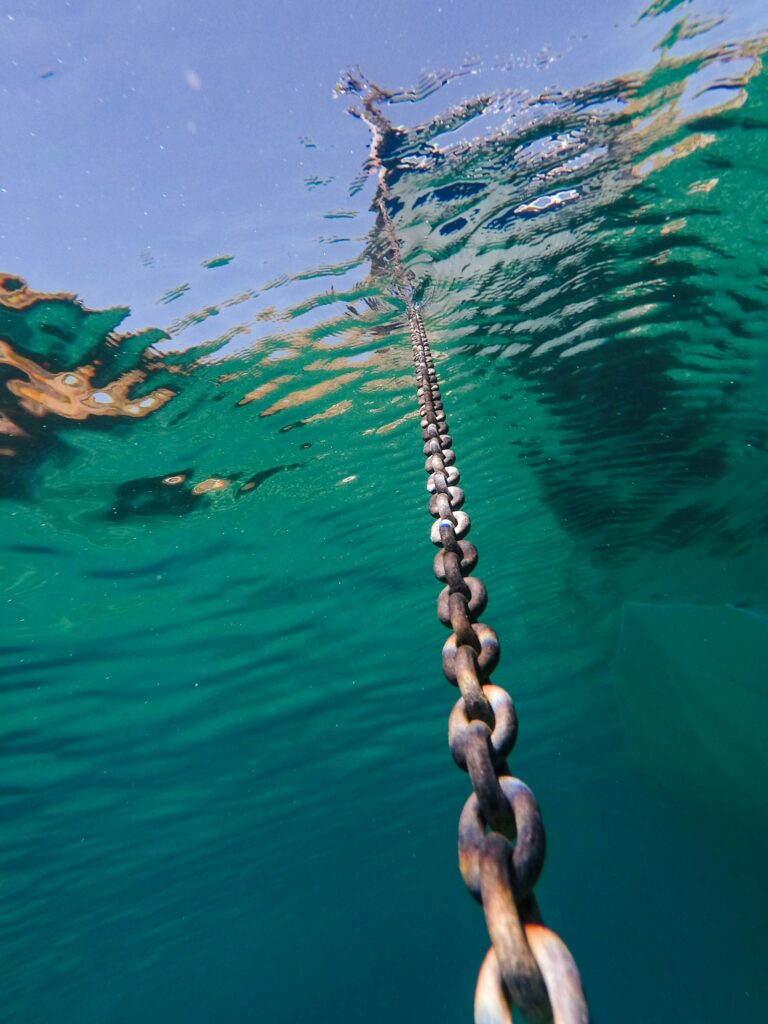
Eric Winegar, managing partner at TRG Datacenters, said most people don’t think about Internet infrastructure until it stops working. “Almost all international Internet traffic runs through cables laid on the ocean floor, not satellites,” he said. “In September 2025, cut cables near Saudi Arabia slowed the internet down across India, Pakistan and the UAE for days. Most of these cuts aren’t attacks either; they’re mostly from the ships dropping their anchor in the wrong place.”
“When a country only has a few of these cables, one accident can cause weeks of slow service while repair crews get out to fix it,” Winegar added.
For industry executives, the implications are clear.
How Should C-Suites Use Internet Resilience Data In Vendor And Market Strategy?
Companies that choose to enter new markets and set up new data centers in countries with low Vulnerability Scores will minimize the risk of major outages. CIOs and CFOs can use this data to stress test their enterprise disaster recovery plans, examine the respective geo-backup strategies of potential SaaS providers and hedge their company against potential threats from nation-states as well as from AI-related cyber-attacks.
By choosing locations with a high cable density and a strong cybersecurity, companies can ensure that their business-critical services are always available in case of a regional net failure.
Related article: Is New York’s Data Breach Crisis Worse Than You Think?
Street Talk is the weekly newsletter for retail and fashion executives who want analysis, not noise. New issues every Thursday. Subscribe today.