

labor market
June 10 2026
AI delivers proven gains in retail back-of-house operations. But automation has a blind spot: algorithms cannot replicate human connection. Retailers that combine AI-driven operational efficiency with genuinely invested frontline teams achieve 30% higher customer retention than those pursuing digital self-service alone. The retail industry is stuck in a fierce tug-of-war. On one side sits digital optimization. On the other, physical
Arthur Zaczkiewicz

AI delivers proven gains in retail back-of-house operations. But automation has a blind spot: algorithms cannot replicate human connection. Retailers that combine AI-driven operational efficiency with genuinely invested frontline teams achieve 30% higher customer retention than those pursuing digital self-service alone.
The retail industry is stuck in a fierce tug-of-war. On one side sits digital optimization. On the other, physical reality. As executives hunt for any possible competitive advantage, the pressure to automate has reached a fever pitch, often positioning artificial intelligence as the ultimate savior of profit margins.
The data is ironclad.
Recent retail metrics show that integrating AI into supply chains drops logistics costs by twenty percent while boosting forecasting accuracy by fifteen percent. Algorithms spot demand spikes. They automate reordering, and they change prices instantly. This computational precision eliminates systemic waste, keeps shelves stocked, and ensures capital is never trapped in stagnant backroom inventory. For any executive looking to safeguard margins against inflationary headwinds, ignoring these efficiencies is a recipe for failure. But efficiency has a blind spot.
How Do In-store Associates Drive Customer Lifetime Value?
An exclusive focus on digital automation exposes a critical structural vulnerability because the true battleground of retail is the showroom floor, not the warehouse. Algorithms predict what consumers want. They cannot make them feel valued. Human connection changes everything.
Floor associates, cashiers and customer service reps are not just line items on a balance sheet. They are the brand. They deliver the psychological comfort and spontaneous human connection that no e-commerce interface or self-checkout kiosk can ever replicate.
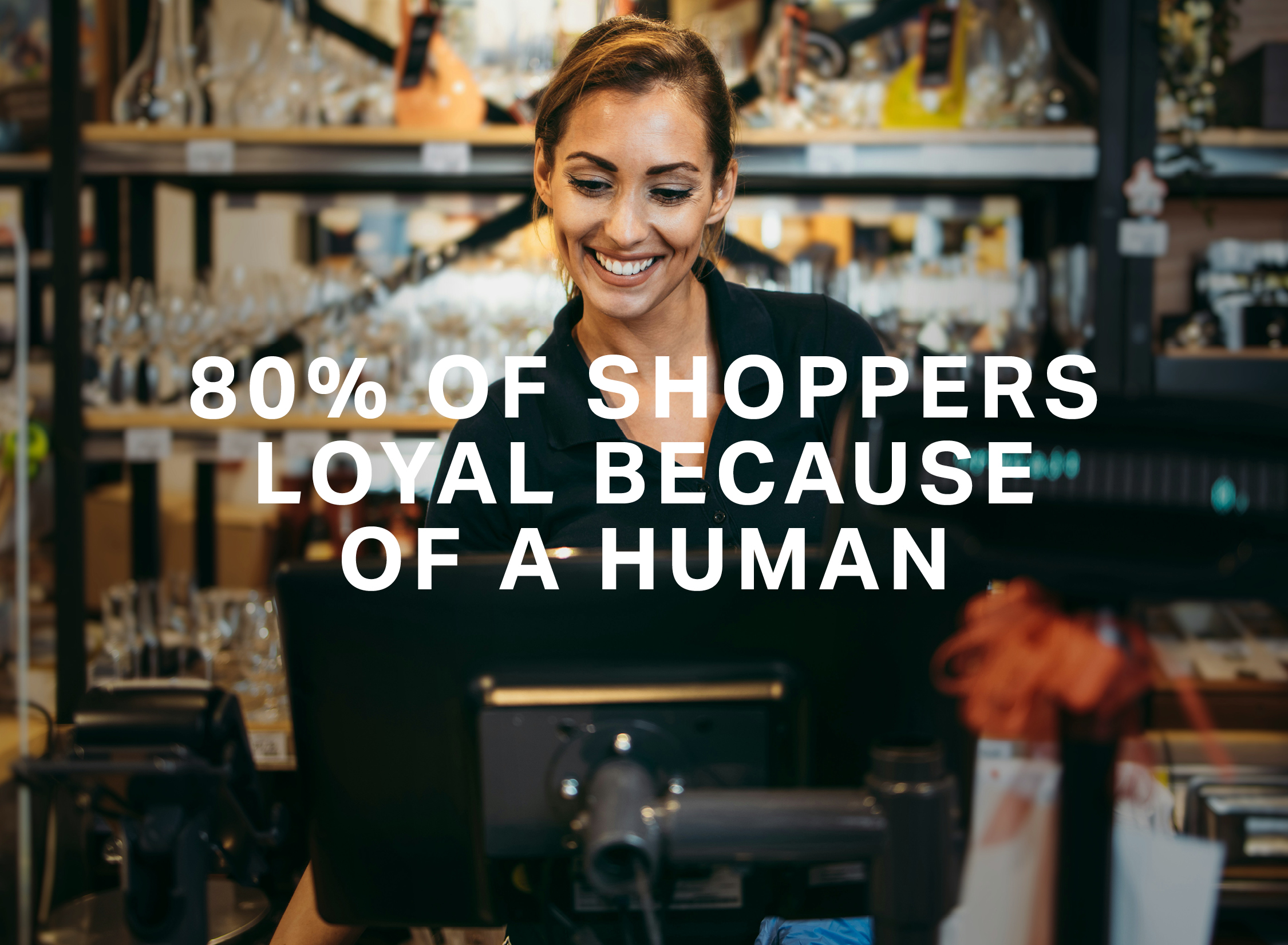
Over eighty percent of shoppers say a helpful, empathetic human interaction is the main reason they stay loyal to a brick-and-mortar store over an online alternative. When an associate guides a customer through a complex purchase or solves a frustrating return dispute with genuine warmth, they create emotional equity. This translates directly into long-term customer lifetime value.
Why Do Gen Z Shoppers Still Prefer Brick-and-Mortar Stores?
Gen Z feels this deeply. Despite being digital natives, nearly seventy-five percent of Gen Z shoppers actively seek out physical stores because they want sensory engagement and real human validation. The numbers don’t lie: brands that combine advanced backend AI with highly engaged frontline staff enjoy a thirty percent higher customer retention rate than competitors who focus exclusively on digital self-service.
AI handles the mundane while humans handle the connection. The goal is not replacement, it is elevation.
When AI is deployed thoughtfully to manage tedious administrative workflows, inventory counting, and automated scheduling, it fundamentally liberates frontline employees from the tyranny of repetitive tasks. Instead of unboxing freight in the dark or staring at inventory clipboards, associates are freed to spend their energy where it matters most: engaging directly with guests on the sales floor. A clerk who is not chronically exhausted by administrative friction is naturally more creative, more empathetic, and significantly more effective at driving cross-sales.
To unlock this balance, executives must invest in people with the same financial enthusiasm they reserve for software.
What Does Investing in Frontline Workers at the Level of Software Actually Require?
This means higher wages. It means comprehensive training and real career advancement pathways that treat frontline roles as respected professions rather than disposable labor. When workers feel valued, engagement skyrockets, driving down the costly employee turnover rates that historically plague the sector. By equipping these empowered workers with intuitive, AI-driven mobile tools that provide instant access to product specs and omnichannel stock availability, leadership turns a standard employee into a super-powered brand ambassador.
The future of commerce belongs neither to pure automation nor to slow, legacy operational models. True market leadership requires synthesis. By aggressively investing in AI to streamline back-of-house workflows while simultaneously investing heavily in frontline workers to deliver exceptional service, executives can build a resilient, high-margin ecosystem.
Transactions are becoming sterile. The brands that deliver seamless algorithmic efficiency alongside a warm, human touch will ultimately win.
Related article: Research Shows a Preference for Shopping Malls Among Gen Z
Street Talk is the weekly newsletter for retail and fashion executives who want analysis, not noise. New issues every Thursday. Subscribe today.