


Retail
August 4 2026
Thanks to social media, canned sardines are a scarcity on the supermarket shelf. If you’ve noticed empty shelves where canned sardines used to sit at your local grocery store, you aren’t imagining things. Supermarkets across the country are facing a noticeable shortage of the popular staple, leaving shoppers scrambling to find their favorite brands. The missing tins are the result
Arthur Zaczkiewicz

Thanks to social media, canned sardines are a scarcity on the supermarket shelf.
If you’ve noticed empty shelves where canned sardines used to sit at your local grocery store, you aren’t imagining things. Supermarkets across the country are facing a noticeable shortage of the popular staple, leaving shoppers scrambling to find their favorite brands. The missing tins are the result of a sudden spike in popularity colliding with severe environmental problems out at sea.
For generations, canned sardines were seen as a cheap, humble pantry item. That changed recently as social media trends and a growing interest in high-protein, healthy foods turned tinned seafood into a viral food craze.
What is the Viral Sardine Diet Trend?
One of the top social media trends touts a sardine-only diet that lasts one to three days. The short-term viral fad diet involves eating the tinned fish while drinking only water, black coffee or plain tea. The result of a protein-only, zero carbs diet is significant weight loss. The trend took off across TikTok, YouTube and health/keto communities — promoted by figures like Dr. Annette Bosworth (Dr. Boz) and Dr. Mindy Pelz. The trend is also immensely popular with the fashion world as it is seen as a low-cost alternative to Ozempic.
However, as millions of new buyers began seeking out omega-3 rich snacks, demand soared practically overnight. But there’s a bigger problem at hand.
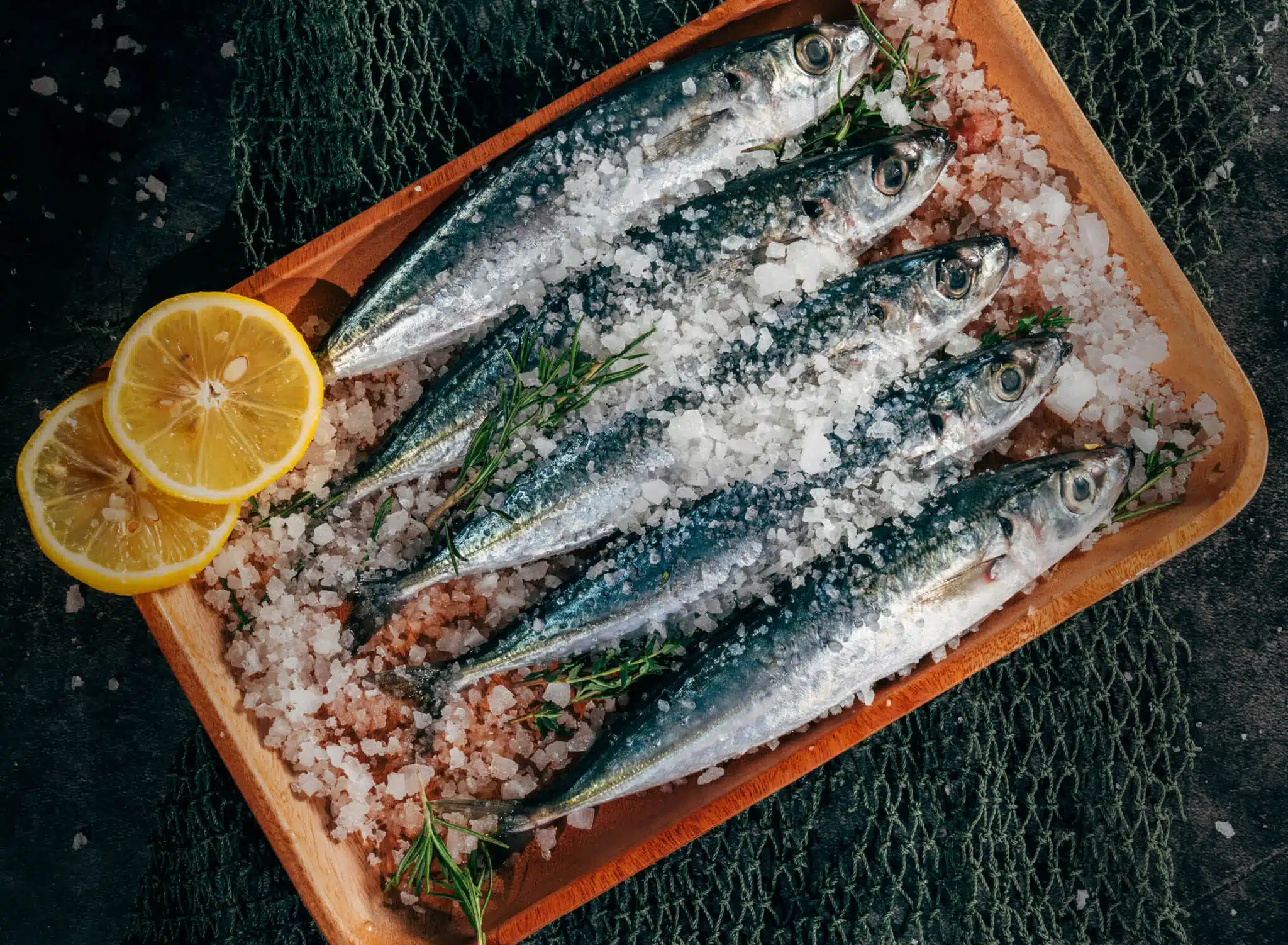
Why are Sardine Catches Declining?
Ocean conditions have made it nearly impossible for seafood suppliers to keep up. Warming waters around the globe have disrupted the tiny plankton that sardines feed on, forcing fish populations to move into deeper, cooler waters or starve. With less food available, the fish are growing smaller and reproducing in much lower numbers.
The problem is especially severe in Morocco, which supplies a huge portion of the canned sardines sold in North American and European grocery stores. Fishermen there have reported massive drops in their daily catches, with some regional hauls down by more than half compared to previous years. Bad weather and high fuel costs have made fishing trips even harder to pull off, leaving processing plants without enough fish to package.
At the same time, wildlife officials in the United States and other countries have stepped in to enforce strict fishing limits to protect wild stocks from being wiped out entirely. While these rules are critical for saving marine ecosystems in the long run, they mean suppliers cannot simply catch more fish to meet consumer demand.
Industry experts say the empty spot on your grocery shelf might remain for a while. Because wild sardines rely heavily on stable ocean environments to rebuild their numbers, it will take time for supply to catch back up with America’s newfound appetite for tinned fish.
Related article: What Does Amazon Downtime Cost U.S. Third-Party Sellers, and Which Markets are Most at Risk?
Street Talk is the weekly newsletter for retail and fashion executives who want analysis, not noise. New issues every Thursday. Subscribe today.