

Retail Real Estate
September 1 2026
Why experiential destinations flourish while anchors decay. The narrative of the dying American shopping mall has dominated retail headlines for over a decade. You’ve heard the story before: abandoned concourses, boarded-up anchor stores and crumbling asphalt parking lots stand as haunting monuments to a bygone era of middle-class consumerism. To declare the mall dead, however, is to miss a far
Arthur Zaczkiewicz

Why experiential destinations flourish while anchors decay.
The narrative of the dying American shopping mall has dominated retail headlines for over a decade. You’ve heard the story before: abandoned concourses, boarded-up anchor stores and crumbling asphalt parking lots stand as haunting monuments to a bygone era of middle-class consumerism.
To declare the mall dead, however, is to miss a far more interesting story: a quiet revolution in commercial real estate that has severed the industry into two vastly different realities.
While suburban “ghost malls” continue their slide into irrelevance, modern retail destinations are thriving, generating record foot traffic and higher sales per square foot than at any point in history. The difference between survival and oblivion boils down to a fundamental shift in purpose, transforming spaces from static transactional centers into dynamic, experiential destinations.
Why Did Traditional Shopping Malls Fail?
Traditional shopping malls failed primarily because they were built on an obsolete premise of convenience and commodity distribution. Decades ago, the mall was the only place where a consumer could access dozens of apparel, footwear and department stores under one roof. The rise of e-commerce wiped out that value proposition, making product acquisition instant, boundless and friction-free.
Malls that relied solely on transactional revenue — anchored by struggling department store chains that lost touch with modern aesthetics — quickly cratered. When shoppers no longer need a physical space to buy goods, a space that only offers goods loses its reason to exist.
Conversely, the shopping destinations flourishing today understand a core truth about post-digital human behavior. While people no longer need to go shopping, they desperately desire places to gather, socialize and be entertained. Successful developments, often designed as open-air lifestyle centers or master-planned mixed-use districts, have shifted their core product from transaction to connection. They curate environments that offer what e-commerce never can — sensory engagement, hospitality, community and memorable experiences.
What Makes Today’s Retail Destinations Succeed?
What makes these modern destinations special is a deliberate, hospitality-first approach to tenant curation and architecture. Instead of dedicating 60 percent of their footprint to legacy apparel anchors, thriving centers prioritize high-end food halls, immersive entertainment venues, health and wellness clubs, boutique fitness studios and curated public green spaces.
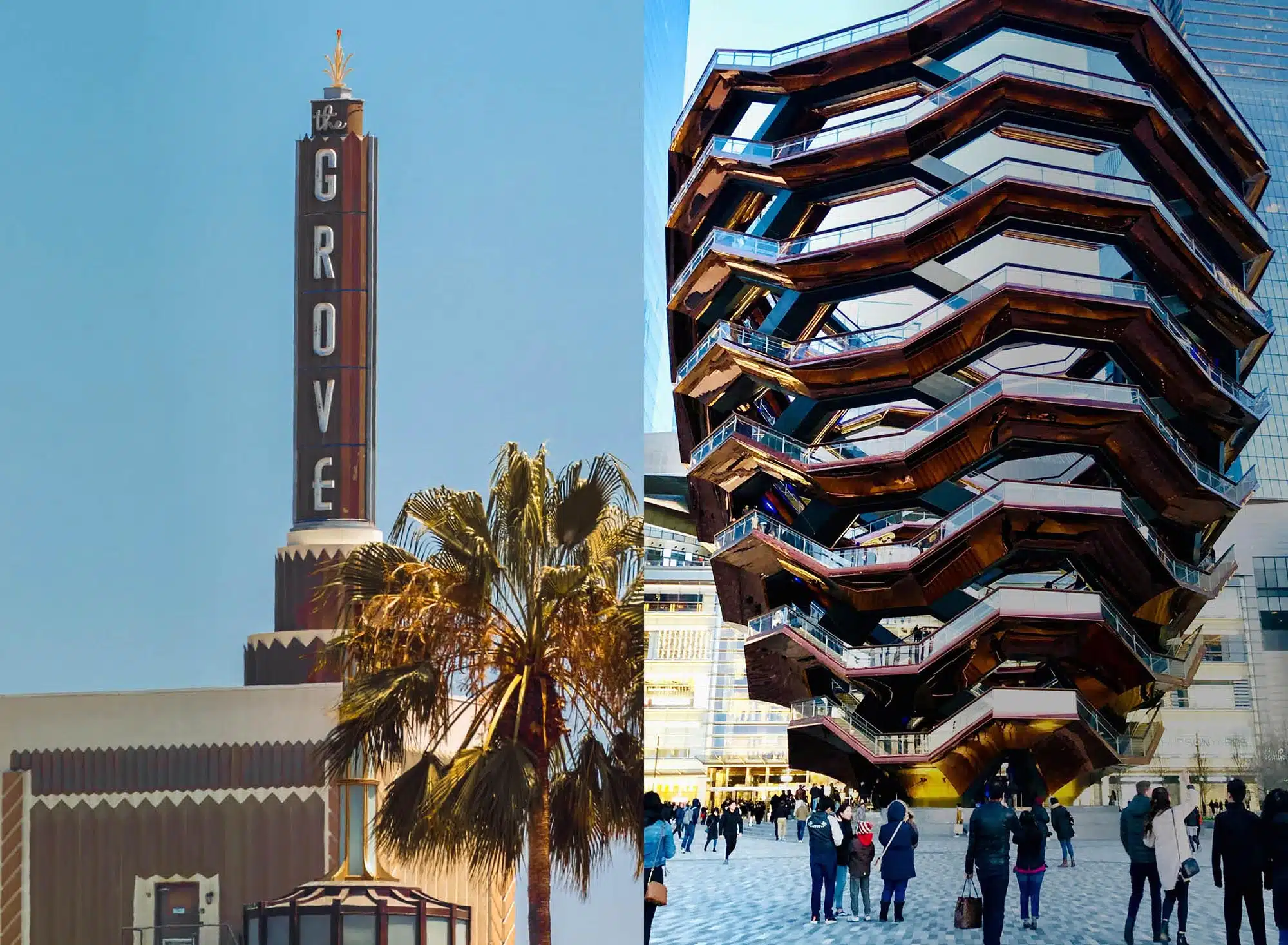
Consider the transformation seen at locations such as The Grove in Los Angeles or Hudson Yards in New York, where retail is seamlessly interwoven with fine dining, arts exhibitions, luxury residential units and iconic architecture. On an international scale, developments like Jewel Changi in Singapore have redefined the modern public hub by integrating indoor tropical rainforests, giant waterfalls and world-class leisure facilities alongside retail space, turning a simple commercial trip into a bucket-list excursion.
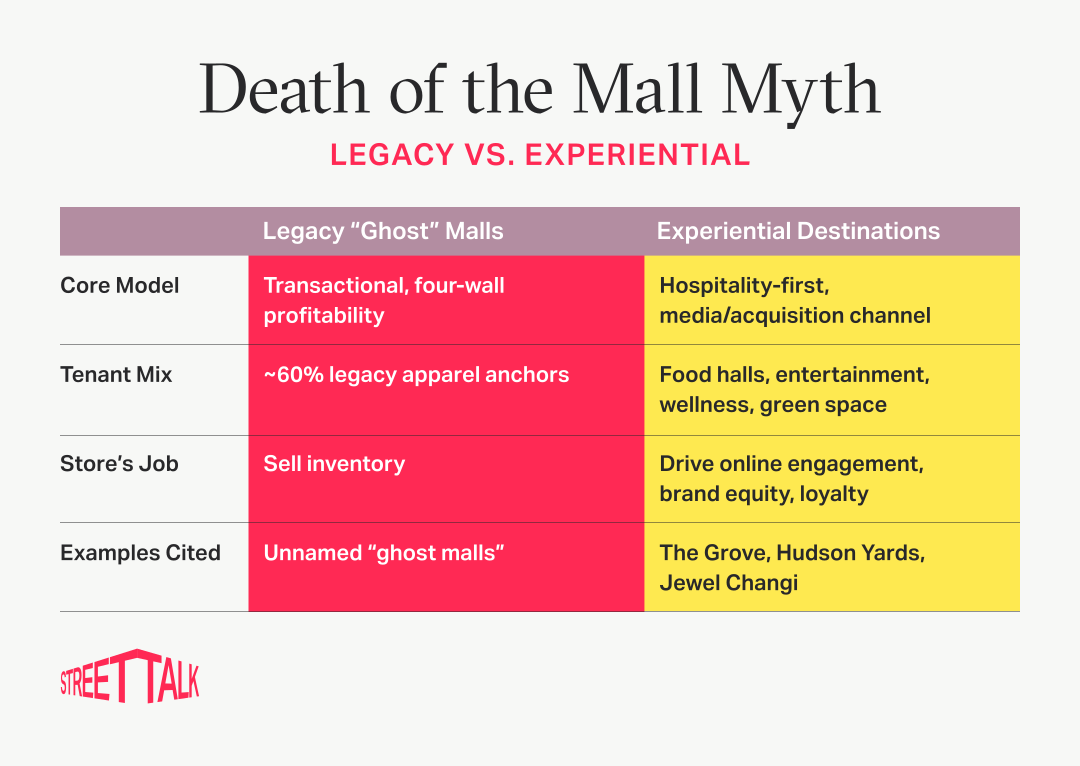
This shift carries profound implications for retail brands and traditional storefronts. For years, retailers evaluated physical stores based primarily on four-wall profitability — a straightforward calculation of inventory sold directly inside the shop versus overhead costs.
In the current experiential environment, that framework is outdated. Physical stores must now be viewed as media channels and customer acquisition engines that drive ecosystem-wide loyalty, online engagement and brand equity.
How Should Retail Brands Adapt Their Physical Stores?
To win in these new destinations, brands and retailers must fundamentally rethink the store experience. First, brands must blur the line between retail space and social venue. Buying product should feel like a byproduct of an engaging interaction rather than the sole objective.
Sportswear brands like Nike have mastered this with flagship stores that feature indoor basketball courts, trial zones and personalized customization labs where shoppers co-create products. Luxury and lifestyle brands are increasingly incorporating cafes, cocktail lounges and art galleries directly into their sales floors, encouraging visitors to linger longer and connect emotionally with the brand culture.
Second, retailers need to leverage technology not as a novelty, but as an invisible facilitator of human connection and convenience. Interactive mirrors, rapid mobile checkout and omnichannel fulfillment options like ship-from-store allow sales associates to shed administrative tasks and step into the role of knowledgeable brand hosts. When routine tasks are automated, human staff can focus entirely on delivering exceptional service, storytelling and hospitality.
Finally, brands must embrace rotation and novelty to keep physical spaces feeling fresh. The traditional model of fixed ten-year leases with static store layouts often leads to consumer fatigue. Forward-thinking brands are utilizing modular interior designs, temporary pop-up collaborations, and seasonal store transformations to give local shoppers a fresh reason to visit month after month.
The fall of legacy malls is not a sign that physical retail is dying; it is a sign that boring retail is dead. The future belongs to spaces and brands that understand physical environments must deliver joy, community, and inspiration. Malls that transform into rich, experiential destinations are proving that when retail offers people a sense of belonging, they will gladly leave their screens behind and step back into the world.
Related article: Retail Gave Back 4.6 Million Square Feet in Q1. Rents Rose Anyway.
Street Talk is the weekly newsletter for retail and fashion executives who want analysis, not noise. New issues every Thursday. Subscribe today.