

technology
October 20 2026
Always-listening AI wearables promise a frictionless memory, but they turn ordinary conversations into legal exposure. Until makers build in real consent, the technology and the law are on a collision course. We are now at an interesting and disturbing stage due to the steady progress of consumer technology: our accessories are hearing us more closely than our nearest and dearest.
Arthur Zaczkiewicz

Always-listening AI wearables promise a frictionless memory, but they turn ordinary conversations into legal exposure. Until makers build in real consent, the technology and the law are on a collision course.
We are now at an interesting and disturbing stage due to the steady progress of consumer technology: our accessories are hearing us more closely than our nearest and dearest. But is it a good thing?
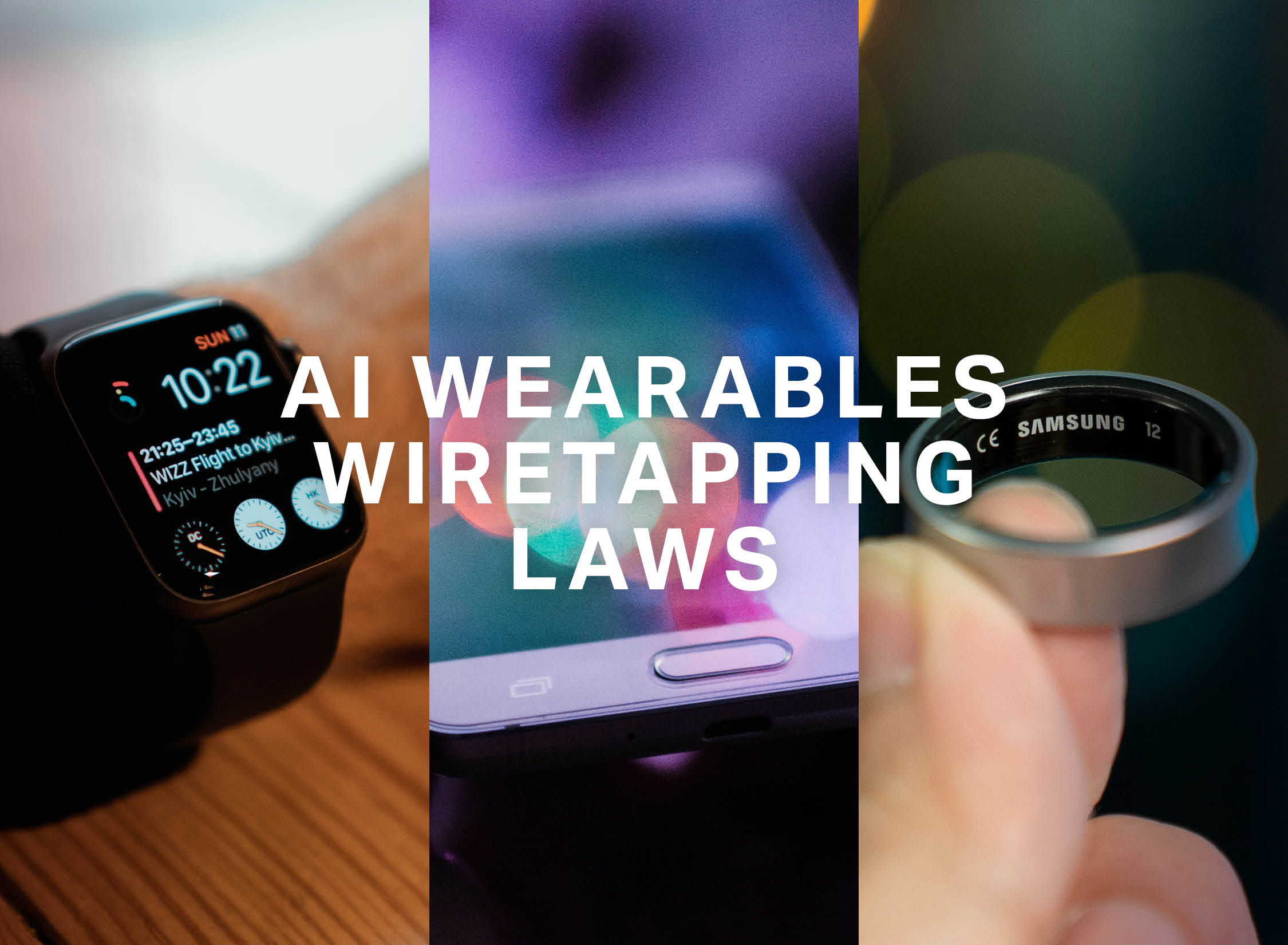
New developments have brought about a generation of wearables powered by artificial intelligence — ranging from smart wristbands and clip-on devices to more sophisticated hardware launched by major technology companies such as Apple, Amazon and Meta — which constantly analyze speech, produce summaries and record the fine details of our everyday lives.
Unlike older smart speakers that waited for a specific “wake word” to be given, these ambient devices remain in a state of passive engagement almost all the time. Although this smooth integration offers the promise of a trouble-free digital experience, it also draws ordinary people into unknown legal and ethical waters, turning ordinary conversations into possible breaches of wiretapping laws.
If you want to understand why people are drawn to these devices, then you have to understand the current obsession with productivity and cognitive offloading. There’s no doubt that the benefits of AI wearables are strong. Since they passively record and transcribe conversations, these devices promise to free us from the control that note-taking exerts, to pick up on details that might be missed in business meetings, to help us organize our thoughts spontaneously and to provide personal insights based on our daily routines.
For busy professionals, advocates for accessibility, and consumers who value data, possessing an always-present assistant that remembers all that takes place can seem like gaining a superpower, turning chaotic human dialogue into clear, useful intelligence.
Where Does the Law Turn Recording into a Problem?
However, the dangers hidden behind this convenience are serious and legally risky. The main point of contention is that these devices function both in public and in private areas, picking up conversations from people who had no intention of being watched and who never agreed to having themselves monitored. Legal experts caution that since these gadgets analyze speech and produce transcripts — even if they say they do not permanently store the original audio files — users might unintentionally violate strict state wiretap and eavesdropping laws.
This results in a ridiculous and frightening paradox in which a normal person who is simply using a common consumer feature could, in effect, become a lawbreaker just by walking into a private conversation without obtaining the explicit consent of all the people involved.
What Are Consumers Afraid Of?
This particular dispute keys into a more general and widespread sense of consumer anxiety concerning artificial intelligence as a whole. Apart from the direct legal responsibilities involved in bugging people, ordinary users have deep fears about data ownership, surveillance capitalism and the loss of personal autonomy. They are concerned that the gradual collection of their spoken words, daily routines and the various contexts in which they live will be gathered, put to financial use, or produced before a court.
There is a fundamental fear that by bringing these constantly active microphones into our pockets, on our wrists and in our lapels, we are essentially walking blindly into a panopticon in which privacy will become a thing of the past and human memory will be handed over to corporate servers.
In the end, the introduction of continuous-listening wearables means that there must be a confrontation between the pace of innovation and the existing legal situation. Although the technology is developing at an extremely fast rate, the legal rules concerning consent and privacy are still based on a more traditional, analog time period.
What Has to Change Before These Devices Scale?
If technology developers do not incorporate strong and completely reliable notice systems as well as clear data protection measures into these devices, consumers might end up having to pay a heavy price in court or else give up the final traces of their personal privacy. But that is just my opinion.
Related article: Can Retailers Win the Holiday Season Without Discounting Their Way There?
Street Talk is the weekly newsletter for retail and fashion executives who want analysis, not noise. New issues every Thursday. Subscribe today.