


Executive Leadership
September 22 2026
While 71% of workers feel on track for retirement, low financial literacy leaves most vulnerable to stress and unexpected costs. More than half of American workers believe they are doing a sufficient job saving for retirement, but a big gap exists between their confidence and actual financial preparedness. PNC Bank’s 2026 Financial Wellness in the Workplace Report notes that 71%
Corner of Fifth

While 71% of workers feel on track for retirement, low financial literacy leaves most vulnerable to stress and unexpected costs.
More than half of American workers believe they are doing a sufficient job saving for retirement, but a big gap exists between their confidence and actual financial preparedness.
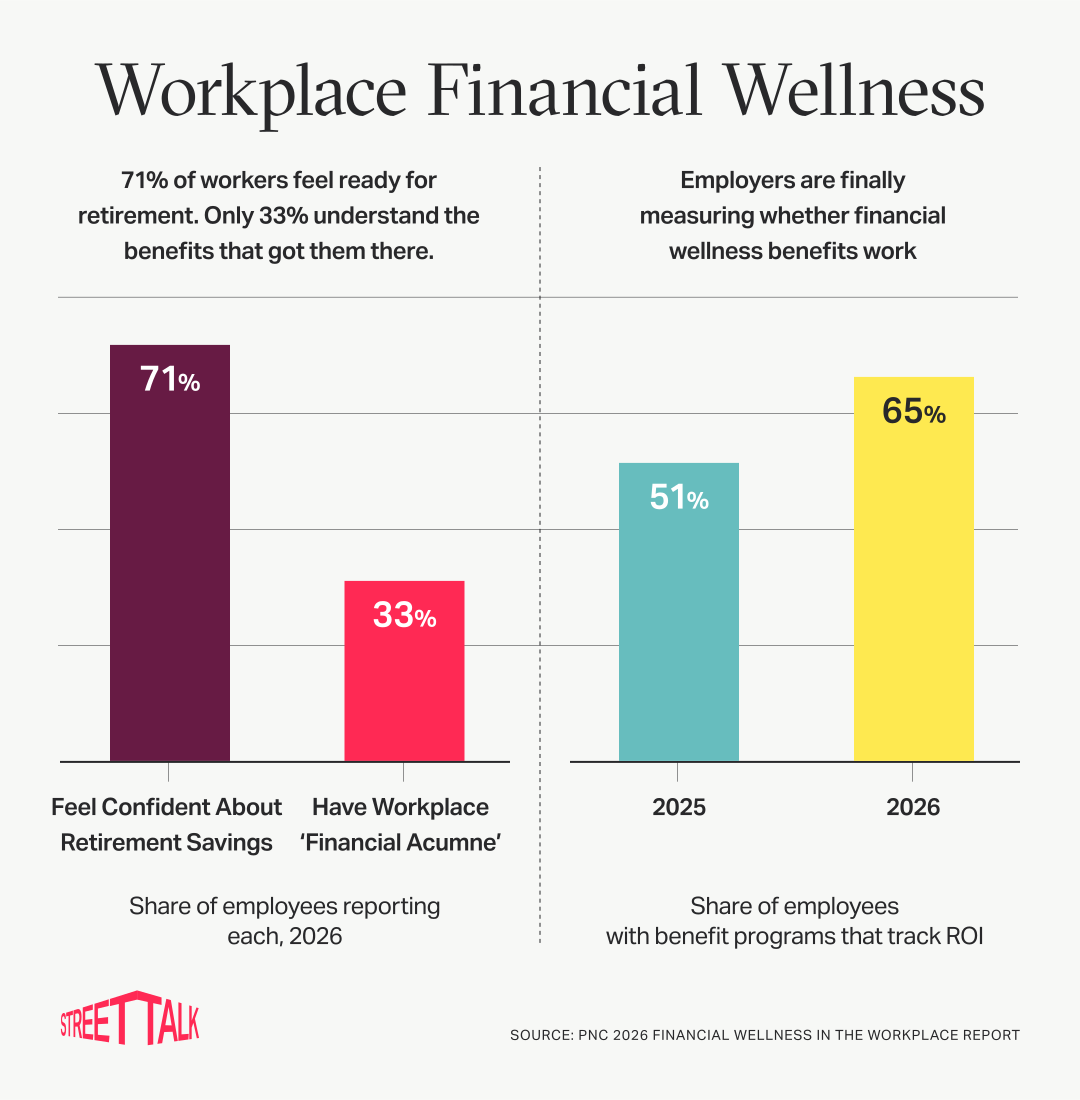
PNC Bank’s 2026 Financial Wellness in the Workplace Report notes that 71% of employees surveyed feel confident that they are saving enough for retirement and have a solid savings plan in place.
Why Is Retail’s Hourly Workforce Most at Risk?
However, a closer look at the data reveals that only 33% of workers have what the report calls “financial acumen,” or a solid grasp of the financial concepts that can help them make the most of their workplace benefits. The result is that financial stress affects not only workers’ personal lives but also their job performance and behavior in the workplace.
The research also has significant implications for the retail sector. Many retail organizations have large numbers of hourly workers, working on tight margins, and subject to the upward pressure of inflation. These employees are particularly vulnerable to unexpected expenses, which can cause significant harm to both employees and employers. They can result in costly turnover, requests for advance payment of wages, and decreased employee engagement leading to reduced productivity and poor customer experiences.
In the face of these challenges, retailers that are able to provide their employees with access to financial education, emergency savings programs and structured financial advisory services will be able to use financial benefit programs as a competitive tool to attract and retain top employees in today’s labor market.
How Are Employers Responding With Financial Wellness Benefits?
To manage the disconnect between workers’ perceptions of their own financial situations and the reality of their financial preparedness for an uncertain future, employers are turning to data-driven HR strategies and integrating a range of benefits into their workforce offerings. Benefits that support workers’ financial wellness are fast becoming assets to the organization, as PNC showed that 65% of employers with benefit programs now measure return on investment compared to 51% last year and that 57% of workers without access to personal finance education programs at work would use them if made available.
Related article: How Agentic AI is Rewiring the Global Retail Engine
Street Talk is the weekly newsletter for retail and fashion executives who want analysis, not noise. New issues every Thursday. Subscribe today.