


Retail
June 9 2026
European e-commerce consumers in 2026 are rapidly adopting AI shopping tools. Simultaneously, packaging quality remains a critical loyalty driver. As AI automates the digital purchase journey, physical unboxing has become the primary remaining brand touchpoint. Mondi recently dropped its annual E-commerce Trend Report, and there were some eye-popping consumer preferences revealed. To get the data, they surveyed 6,000 consumers across
Arthur Zaczkiewicz

European e-commerce consumers in 2026 are rapidly adopting AI shopping tools. Simultaneously, packaging quality remains a critical loyalty driver. As AI automates the digital purchase journey, physical unboxing has become the primary remaining brand touchpoint.
Mondi recently dropped its annual E-commerce Trend Report, and there were some eye-popping consumer preferences revealed. To get the data, they surveyed 6,000 consumers across Europe and Turkey, blending their answers with expert industry insights to map out a rapidly shifting digital retail landscape. The loudest takeaway? AI is completely rewriting the rules of online shopping.
How Many European Consumers Use AI To Make Purchase Decisions?
Right now, 60% of consumers actively use AI tools, and more than half are perfectly comfortable letting an algorithm make buying decisions for them.
But tech isn’t everything. Physical delivery still matters. In fact, as the digital side of the customer journey becomes fully automated, the physical unboxing experience is stepping into the spotlight. It is the new battleground for long-term brand loyalty.
When it comes to the box itself, consumers are brutal. They want the basics done right.
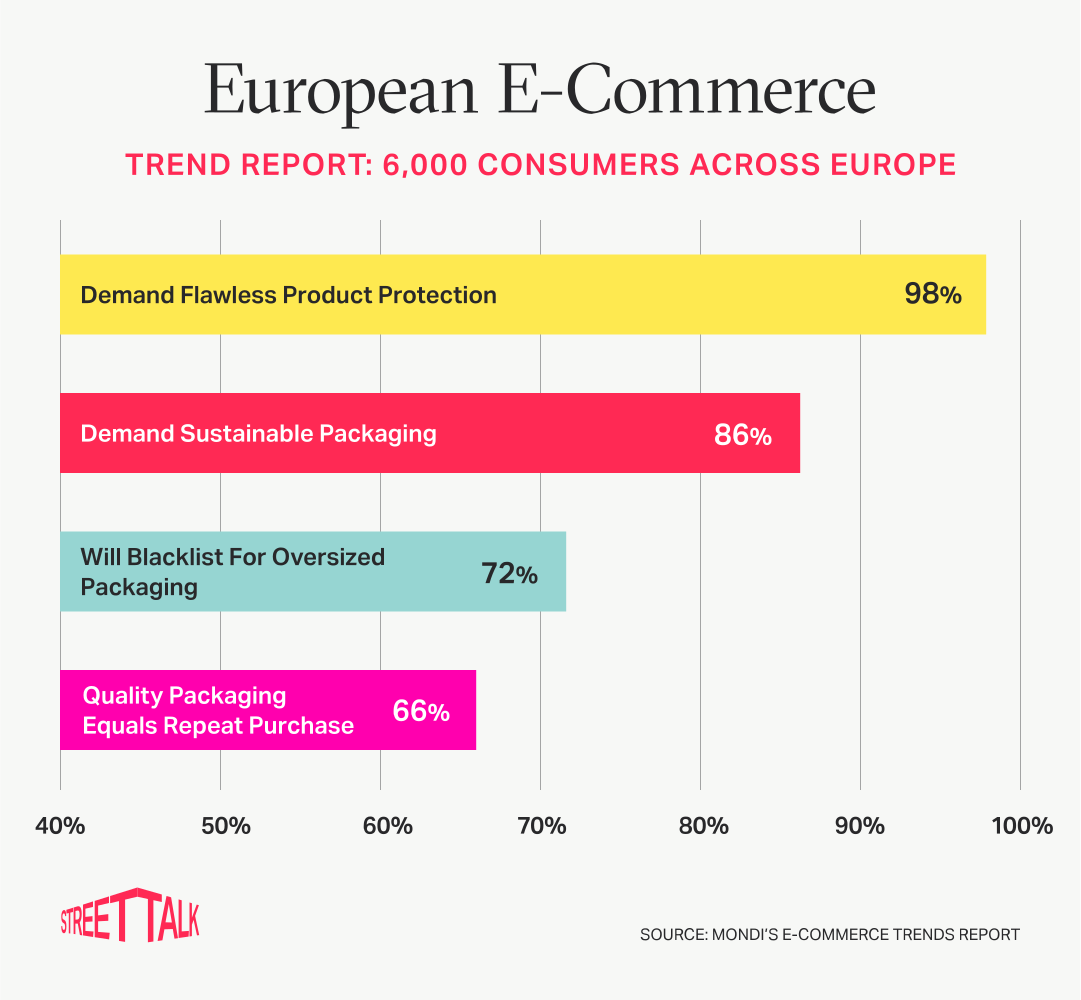
An overwhelming 98% of shoppers polled demand flawless product protection. Another 86% expect sustainability. Two-thirds say high-quality packaging directly triggers repeat purchases.
Get it wrong, and they leave. Seriously. A massive 72% of shoppers will actively blacklist a brand if their items arrive in oversized packaging. That is a staggering incentive for retailers to fix their scaling.
Why Does A Gap Persist Between Sustainability Intentions And Recycling Habits?
Eco-expectations are also skyrocketing. Shoppers notice the small stuff. Roughly four in ten respondents recognize when a brand switches to right-sized boxes, increases recycled content or cuts down on waste. Still, a weird paradox remains: what consumers say they want isn’t always what they do. A massive gap still separates sustainability intentions from actual recycling habits, especially across different generations.
Design can bridge this. By using clearer communication and intuitive packaging layouts, brands can finally nudge consumers into better habits. But it won’t happen in a vacuum. Material suppliers and automation partners must collaborate tightly.
The future is physical.
Related article: Research Shows a Preference for Shopping Malls Among Gen Z
Street Talk is the weekly newsletter for retail and fashion executives who want analysis, not noise. New issues every Thursday. Subscribe today.