

Economy
June 16 2026
International visitors to the 2026 World Cup have documented widespread admiration for American retail, hospitality, and consumer infrastructure — directly contradicting global media portrayals of American decline. Viral content from European, South American, and Asian fans showcases genuine astonishment at Walmart, Sam’s Club, and Buc-ee’s, revealing a significant gap between institutional narrative and the lived American reality that hundreds of
Arthur Zaczkiewicz

International visitors to the 2026 World Cup have documented widespread admiration for American retail, hospitality, and consumer infrastructure — directly contradicting global media portrayals of American decline. Viral content from European, South American, and Asian fans showcases genuine astonishment at Walmart, Sam’s Club, and Buc-ee’s, revealing a significant gap between institutional narrative and the lived American reality that hundreds of thousands of tourists are encountering firsthand.
For years, global media coverage has painted a monochromatic, often grim picture of the United States. To tune into international news broadcasts or scroll through global editorial pages was to see a nation seemingly defined entirely by its socio-political fractures, decaying infrastructure and urban anxieties.
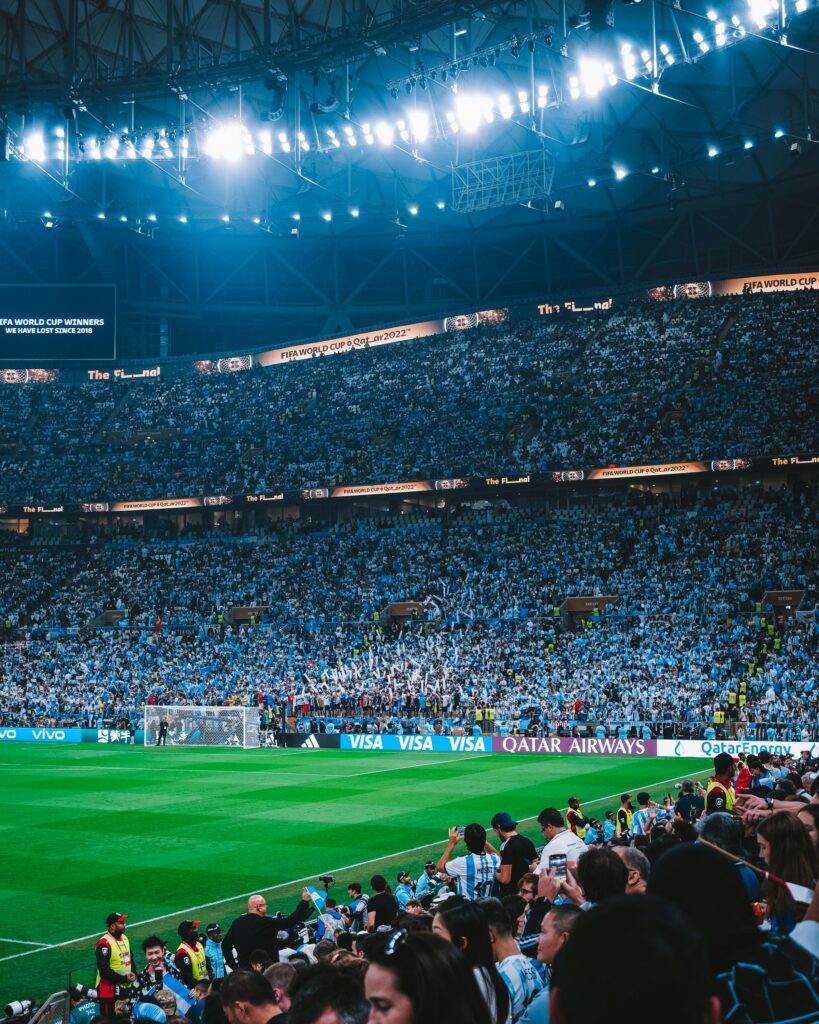
But as hundreds of thousands of international soccer fans visit American cities for the World Cup, a funny thing happened on the way to the stadium: reality got in the way of the narrative.
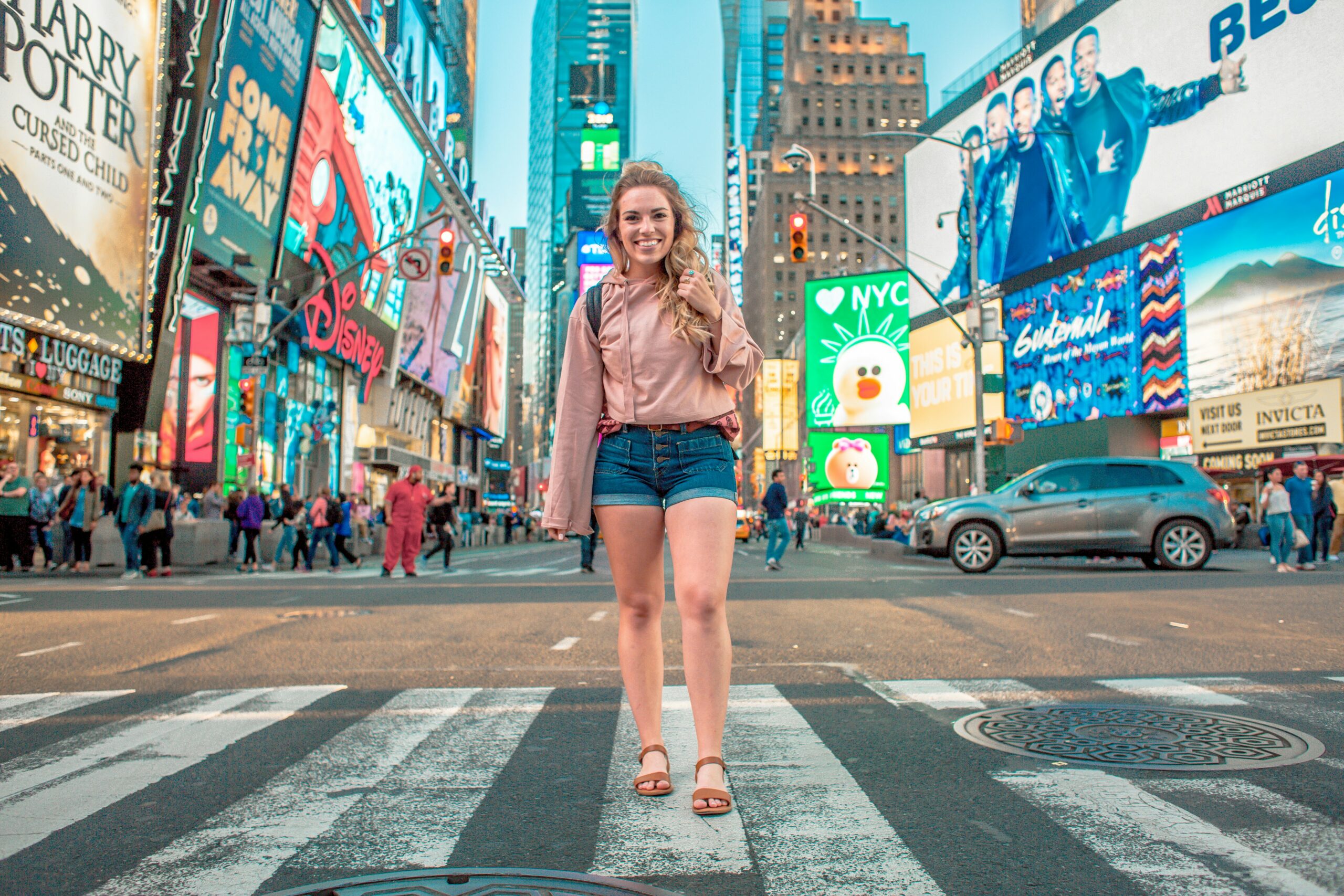
Across TikTok, Instagram (Brits in New York, Brits at Buc-ee’s, German in Atlanta) and X, the prevailing sentiment from visiting fans has transformed into a collective love letter to everyday Americana. Far from the hyper-critical commentary expected by cultural pundits, the digital footprint of the World Cup tourist has been an overwhelming showcase of praise, astonishment and sheer delight. Visitors from Europe, South America, Asia, and beyond are documenting a country that is remarkably welcoming, staggeringly efficient and dizzyingly abundant.
What is it About American Friendliness That Catches International Visitors Off Guard?
At the heart of this grassroots PR coup is the profound hospitality of the American people. Foreign fans, accustomed to the sometimes aloof or transactional nature of service in their home capitals, have been visibly disarmed by what they describe as “relentless American friendliness.” Viral videos show British fans marveling at strangers striking up casual conversations in transit lines, and Brazilian supporters praising convenience store clerks who went out of their way to give directions.
This organic warmth has completely shattered the trope of the cold, hyper-individualistic society so frequently exported by foreign commentators.
But the true focal points of international fascination have been the consumer cathedrals of the American landscape. For a soccer fan from continental Europe or East Asia, a suburban American retail corridor isn’t eyesore sprawl — it is an exotic wonderland of unprecedented scale.
Why are International Visitors Treating Big-Box Retailers as Must-See Attractions?
Visits to Walmart and Sam’s Club have become literal tourist excursions, treated with the same reverence as a trip to the Empire State Building or the Golden Gate Bridge.
Videos of European tourists pushing oversized carts through Sam’s Club, wide-eyed at the mountain-sized blocks of cheese and industrial-scale electronics, have garnered millions of views. “They told us America was struggling,” noted one French influencer while panning across a flawlessly stocked, brightly lit Walmart grocery section. “But everything here is cheap, massive and everyone is smiling.”
The sheer abundance, logistical excellence and affordability of these retail giants have left visitors questioning why their domestic media portrayed America as a nation on the brink of collapse.
Then, there is Buc-ee’s. The Texas-born mega-convenience store has achieved legendary status among the World Cup faithful. To a visitor from the UK or Germany, where a motorway service station consists of a cramped petrol pump and a stale pre-packaged sandwich, Buc-ee’s is a revelation. Content creators have documented their sheer awe at witnessing a hundred pristine fueling stations, rows of freshly chopped beef brisket, wall-to-wall selections of jerky, and — most importantly — public restrooms so immaculate they border on the architectural sublime.
“Buc-ee’s isn’t a gas station; it’s a religion,” declared a German fan in a video that went viral across Europe. “If this is capitalism, sign me up.”
What are International Visitors Discovering About American Food Culture?
American eateries have similarly captured the hearts and palates of the visiting masses. Beyond the global fast-food chains they already know, tourists have flooded local diners, regional barbecue joints, and casual dining spots. They are praising not just the generous portions, but the meticulous level of customer service. Refills that arrive without asking, servers who introduce themselves by name and the genuine enthusiasm with which Americans share their culinary traditions.
What this World Cup summer has revealed is a stark, undeniable disconnect between institutional media narratives and the lived American reality. For a generation of global citizens fed a steady diet of American dysfunction by their local news networks, this trip has been a profound re-education.
They came for the beautiful game, but they are leaving with a newfound admiration for the beautiful, sprawling, friendly reality of everyday American life. As one Argentine fan aptly summarized on his social media feed before heading home: “Don’t believe what you see on television. Go to America. Go to Walmart. Talk to the people. It is spectacular.”
Related article: How High Fashion and Streetwear Collisions Rewrote the Corporate World Cup Playbook
Street Talk is the weekly newsletter for retail and fashion executives who want analysis, not noise. New issues every Thursday. Subscribe today.