

Analysis
June 16 2026
World Cup merchandise has shifted from technical athletic products to a $7.2 billion fashion ecosystem driven by luxury collaborations, limited-edition drops, and archival footwear hybrids. Luxury houses now co-design official jerseys, independent labels bypass FIFA regulations by partnering with individual players, and manufactured boutique scarcity has turned soccer gear into genuine cultural capital with resale prices quadrupling within hours of
Arthur Zaczkiewicz

World Cup merchandise has shifted from technical athletic products to a $7.2 billion fashion ecosystem driven by luxury collaborations, limited-edition drops, and archival footwear hybrids. Luxury houses now co-design official jerseys, independent labels bypass FIFA regulations by partnering with individual players, and manufactured boutique scarcity has turned soccer gear into genuine cultural capital with resale prices quadrupling within hours of release.
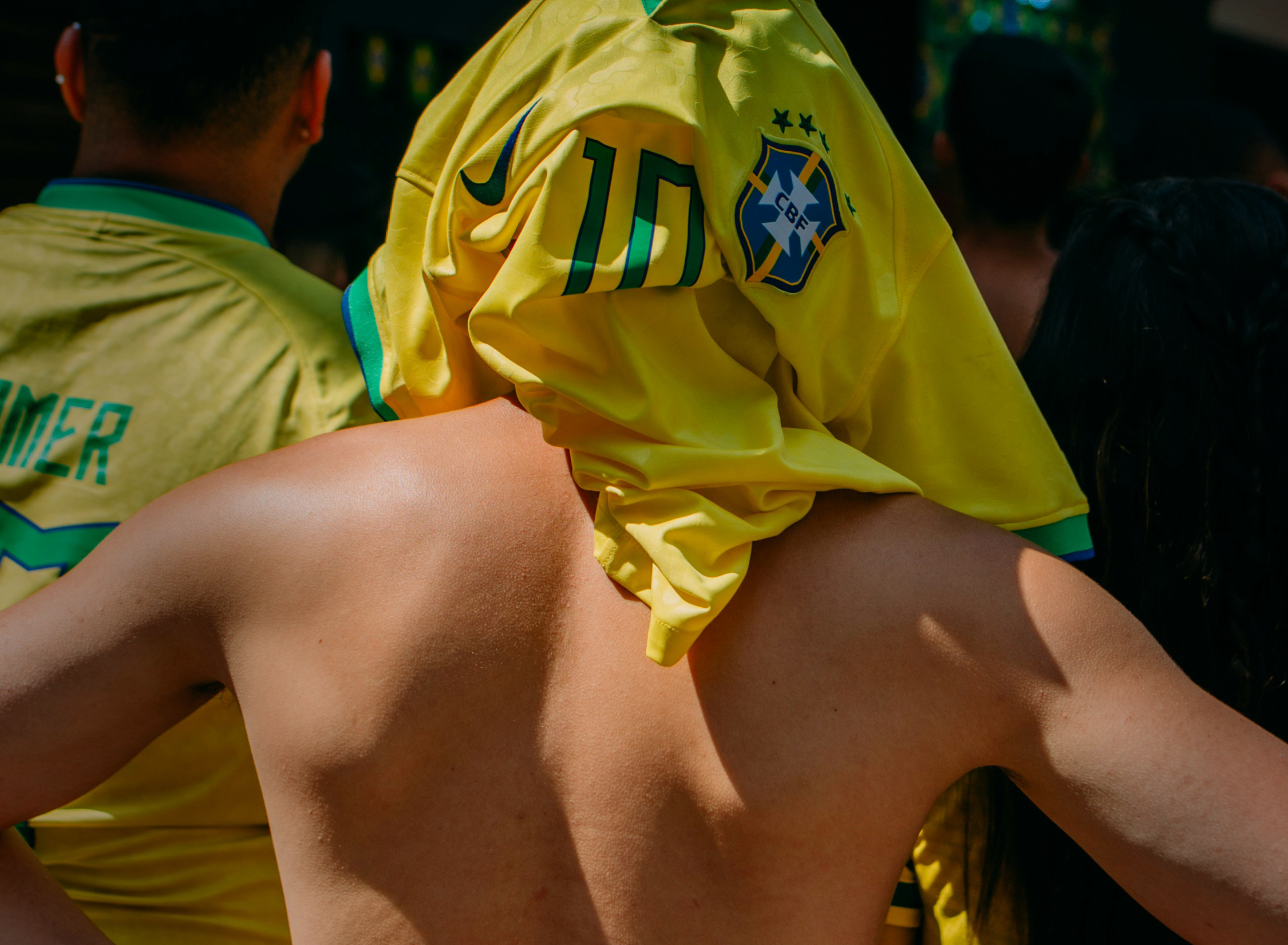
The standard-issue soccer jersey is officially gone. Walk down the concourses of any major stadium hosting tournament matches this month, or track the foot traffic through retail epicenters from Tokyo to New York, and the visual evidence is overwhelming. What used to be a simple exercise in synthetic athletic licensing has mutated into a multi-billion-dollar laboratory for high-fashion synthesis, avant-garde footwear and aggressive lifestyle branding.
This cultural shift did not happen by accident. For decades, sportswear giants treated the tournament as a traditional performance showcase. They prioritized technical sweat-wicking materials and hyper-functional footwear engineered strictly for elite athletes on the pitch.
Now, the boundaries have completely dissolved. The pitch is everywhere.
Sponsorship lines are blurring rapidly. The current tournament cycle has codified a new commercial reality where high-end European fashion houses, cult Tokyo streetwear labels, and underground creative collectives hold equal sway over the aesthetics of the world’s most-watched sporting event. The numbers behind this evolution are astronomical. Wall Street analysts and sports retail intelligence groups project that the total global revenue generated by World Cup apparel, lifestyle footwear collaborations, and secondary licensed merchandise will reach an unprecedented $7.2 billion by the conclusion of the tournament cycle.
This represents an enormous leap from previous iterations, driven almost entirely by the premium price tiers commanded by limited-edition collaborative capsules.
How are Luxury Fashion Brands Embedding Themselves in World Cup Jersey Culture?
Look at the luxury sector. It is no longer enough for an elite fashion brand to dress a national squad in crisp, tailored suits for their arrival at the airport. That traditional approach feels dusty and performative to a younger generation of consumers. Instead, brands are embedding themselves directly into the jersey subculture. The standout commercial phenomenon of the current tournament involves traditional tier-one athletic sponsors surrendering their precious design real estate to high-fashion creative directors.
We see legacy European luxury labels actively redesigning the core on-pitch typography, altering traditional federation crests and engineering silhouettes that look as organic under a tailored blazer at an ambient wine bar as they do under the blinding lights of a stadium. And consumers love it, and the product drops sell out instantly.
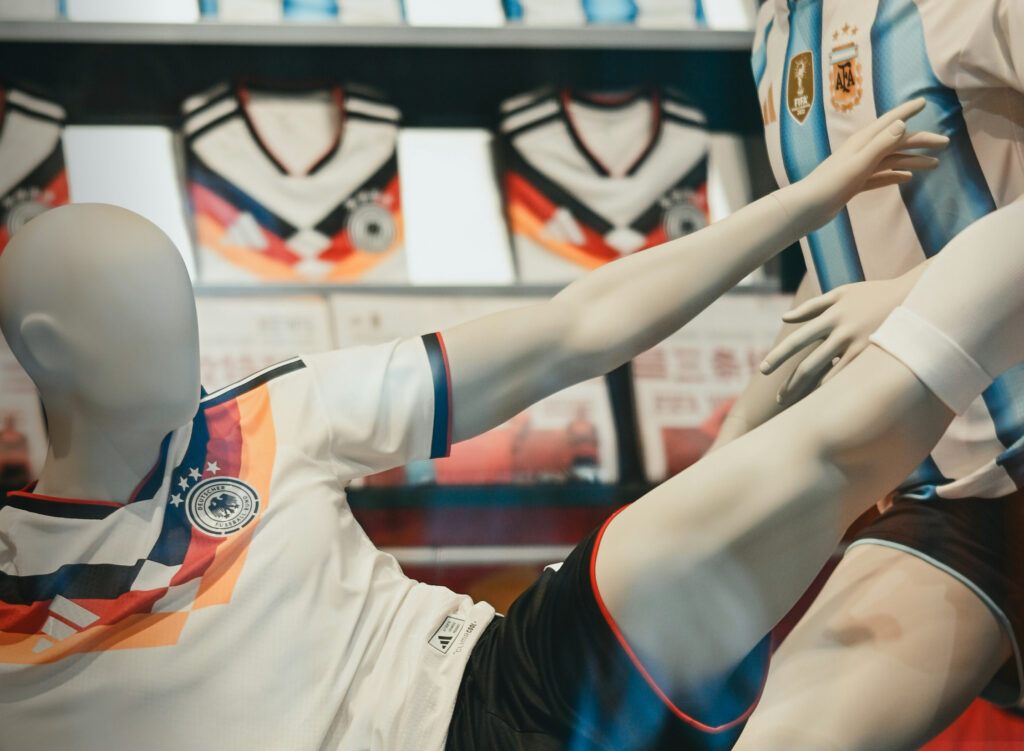
Retail analysts describe the trend as a masterclass in manufactured scarcity. By artificially restricting production runs and distributing the merchandise through exclusive luxury boutiques rather than traditional big-box sporting goods stores, manufacturers have triggered a frenzy in the secondary resale market. Prices quadruple within hours. This strategic repositioning has elevated soccer merchandise from utilitarian fan gear to genuine cultural capital.
How Has Streetwear Changed the Design and Market for World Cup Footwear?
The transformation of footwear tells an even more radical story of cultural convergence. Historically, the World Cup was a proving ground for the latest innovations in molded plastic studs and carbon-fiber plates. Today, the real battleground is fought on the pavement.
The dominant trend of this cycle is the aggressive hybridization of classic soccer boots and archival terrace-culture sneaker silhouettes. Streetwear designers have raided the deep brand archives, pulling out forgotten indoor training shoes from the 1970s and 1980s and reconstructing them with premium buttery leathers, distressed suedes, and heavy metallic hardware.
They are taking technical elements meant for soft grass and reinterpreting them for concrete.
Some collaborations have gone so far as to mount traditional, aggressively molded soccer cleat uppers directly onto chunky, trail-ready rubber soles or futuristic lifestyle midsoles. It looks intentionally disruptive. The consumer base, heavily influenced by the global dominance of “blokecore” aesthetics on social media platforms, has embraced these hybrid designs with open arms. They want something weird. They crave authenticity mixed with subversion. Consequently, the footwear category alone is driving a massive portion of that projected $7.2 billion windfall, capturing demographics who have never watched a full ninety minutes of a football match but obsessively track online release calendars.
How are Independent Streetwear Labels Competing with Nike and Adidas at the World Cup?
But the corporate heavyweights do not possess a total monopoly on the cultural narrative. This tournament has seen an unprecedented rise in independent, localized collaborations that challenge the centralized design mandates of the big sportswear brands.
Small, fiercely independent streetwear brands from host cities have even carved out highly profitable niches by partnering directly with individual players rather than national federations. This is an elegant end-run around strict FIFA marketing regulations. By utilizing the personal style capital of hyper-influential star athletes, these smaller labels release hyper-limited capsule collections consisting of oversized heavy-knit jerseys, distressed warm-up jackets and customized lifestyle sneakers.
The marketing is deliberately low-fidelity. It relies on cryptic social media teasers, grainy film photography, and unannounced pop-up shops located in industrial neighborhoods far away from official fan zones. It feels real. This grassroots energy exerts a profound gravity that the major corporations desperately try to replicate, often failing because authenticity cannot be engineered via a corporate committee.
A Global Monopoly on Cool?
Ultimately, this corporate and creative frenzy reveals a deeper truth about the modern sports economy. The World Cup is no longer just a tournament. It is a global monopoly on cool. The physical matches provide the raw narrative fuel, but the surrounding ecosystem of apparel and footwear collaborations generates the daily cultural currency that sustains global consumer interest.
As billions in expected revenue flows into the coffers of athletic brands, luxury conglomerates and independent labels alike, the blueprint for the future of sports marketing has been rewritten permanently. The old boundaries will not return. Performance and lifestyle have fused into a single, highly lucrative entity, ensuring that the spectacle on the streets will remain just as compelling and arguably more influential than the drama unfolding on the grass.
Sources:
- Sports Business Journal – Apparel Licensing and International Merchandising Quarterly Report (Q2 2026)
- Vogue Business – The Luxury Evolution of Football Subculture and Brand Partnerships (May 2026)
- McKinsey & Company – The Global Sporting Goods Industry Outlook and Tournament Revenue Projections
- Footwear News – Terrace Culture, Blokecore, and the Rebirth of Archival Soccer Silhouettes (June 2026)
Related article: The ‘Birkin Boom’ – Why Luxury Handbags Are Outpacing the S&P 500
Street Talk is the weekly newsletter for retail and fashion executives who want analysis, not noise. New issues every Thursday. Subscribe today.