


Analysis
September 23 2026
Part two: The 2026 tinned fish shortage stems from a collision between viral social media demand and a fragile global supply chain. Once viewed as a humble, cheap pantry backup for emergencies, tinned fish and sardines have undergone an extraordinary rebranding. Over the past couple of years, canned seafood has transformed into a highly coveted aesthetic, a status symbol of
Arthur Zaczkiewicz

Part two: The 2026 tinned fish shortage stems from a collision between viral social media demand and a fragile global supply chain.
Once viewed as a humble, cheap pantry backup for emergencies, tinned fish and sardines have undergone an extraordinary rebranding. Over the past couple of years, canned seafood has transformed into a highly coveted aesthetic, a status symbol of healthy living and an accessible form of luxury.
However, as millions of new consumers rush to stock up on colorful tins of sardines, mackerel and tuna, grocery stores across North America and Europe are finding their shelves picked clean. The phenomenon highlights a sudden clash between viral digital interest and fragile global supply chains.
What’s Driving the Tinned Fish Trend on Social Media?
As we reported in part one of this story, the revival of tinned fish is overwhelmingly fuelled by content creators across TikTok, Instagram and YouTube. Viral movements such as “Sardine Girl Summer” and “sardinecore” and the viral concept of “sea-cuterie boards” — where traditional charcuterie spreads are swapped for artisanal seafood tins — have rebranded canned fish as an aspirational lifestyle choice.
Influencers frequently highlight the vivid, vintage Mediterranean packaging of premium tins, turning simple lunches into photogenic dining experiences on camera.
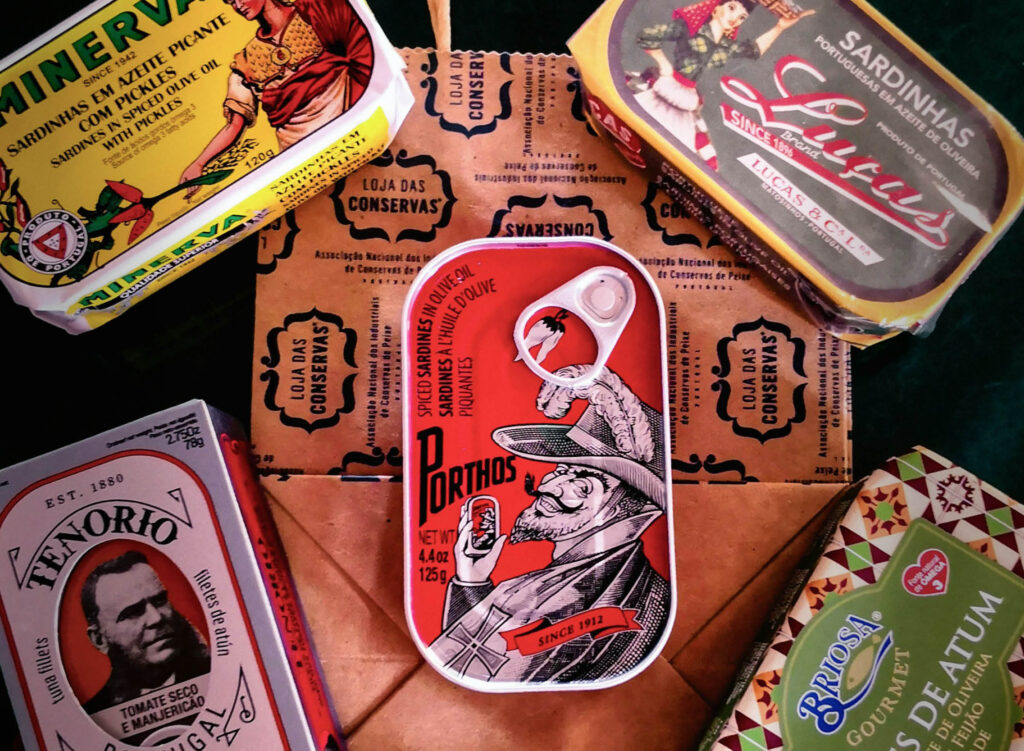
Beyond aesthetic appeal, viral health and diet trends have accelerated the demand exponentially. TikTok creators market canned sardines as “skincare in a can,” promoting their high omega-3 fatty acid, protein, and vitamin content as a natural way to achieve healthy skin.
At the extreme end, intense dietary trends like “sardinemaxxing” or multi-day sardine fasts have spread rapidly through wellness, low-carb and keto communities. Promoted by popular health influencers such as Dr. Annette Bosworth and Dr. Mindy Pelz, as well as metabolic researchers like Nick Norwitz, these intense, protein-focused protocols are often embraced by followers seeking budget-friendly wellness hacks.
Why Can’t Supply Keep Up With Tinned Fish Demand?
While millions of people worldwide are watching the same videos online and pressing for more of the same to be added to the retailer’s shelves, to be stocked in the food warehouse, and distributed to the stores, for the most part the food industry is struggling to maintain current levels of retail.
The cocktail of increased retail demand in relation to distribution capacity, and escalating environmental problems in the fisheries are creating acute and severe shortages of tinned fish of all descriptions, including canned sardines.
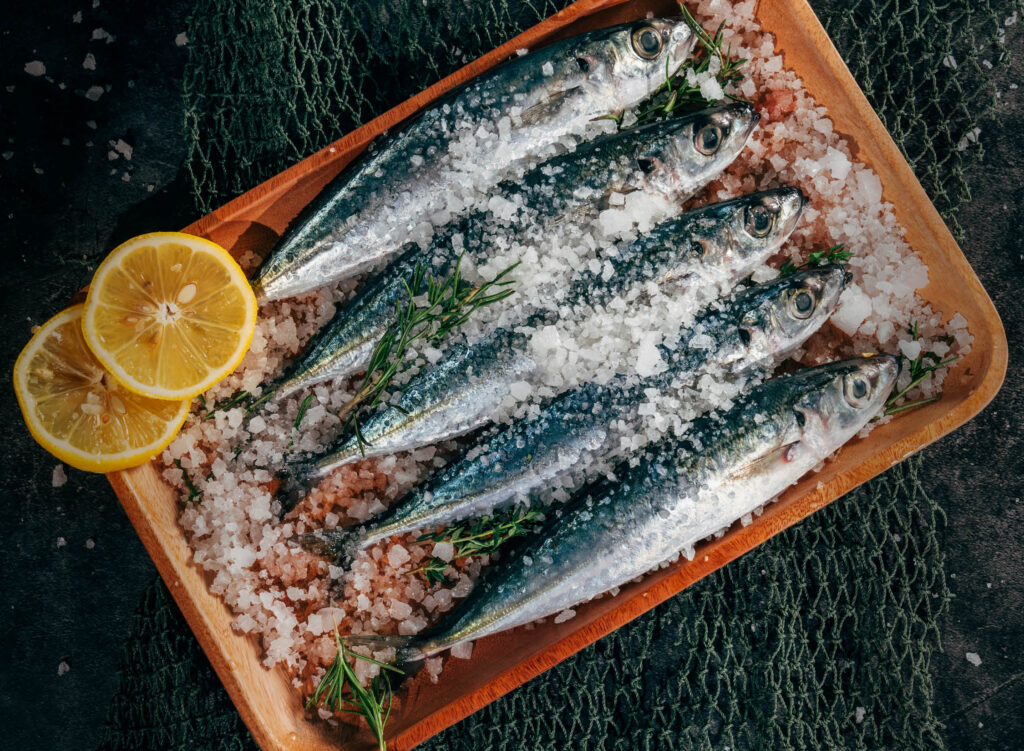
Morocco is the world’s biggest exporter of canned sardines to European and North American markets. Recently, the country’s catches have plummeted and supply has slumped across several primary fishing grounds. Because of warmer sea temperatures, plummeting plankton stocks are driving sardine schools to deeper, cooler waters in search of food. Fish yields of between 50% to 70% below historical averages have been reported in key fishing regions of the country.
To adequately address declining fish populations, fishing regulatory bodies around the world have implemented extremely strict catch limits, at times restricting the very ability of a fishery to go out and fish in an effort to protect species from environmental collapse. In the meantime, wild catch fisheries are unable to increase production to meet the sudden and extreme demands of food consumers and the canneries that rely on them for raw materials.
Because canned seafood is typically characterized by a stable, consistent stream of sales, grocery and food manufacturers alike are woefully unprepared to handle the rapid, extreme spikes in demand for products seen during a “viral” trend event (the term is used here to specifically describe the rapid fire development and extreme adoption seen in online video and images).
Influencer communities are becoming increasingly important as retail managers and brand strategists, particularly when it comes to demand forecasting. A recent surge in the demand for tinned fish saw an unprecedented rise to category stardom within the food industry, but its ongoing supply bottleneck serves as a vital lesson when it comes to retail trends.
How Are Brands Repackaging Canned Fish as a Premium Product?
So, for decades canned seafood has been a low cost commodity, stocked in the lowest part of the store and viewed as a cornerstone of emergency foods.
Today however, many of the leading brands are investing in heritage packaging and also creating point of sale materials that create compelling stories about the different products. Marketing canned fish as an affordable luxury or as a fancy component of a ‘sea-cuterie’ board has helped many products to command a premium, often greater than that of fresh equivalents.
The design of packaging and creation of rituals for consumption of goods as dull as canned fish has created new premium products.
Where Should Retailers Merchandise Tinned Fish Now?
As the market for tinned fish accelerated among health-conscious, younger, creative and high-end oriented online communities, retailers updated the way in which tinned fish was placed on shelf to also update the in-store retail experience and ensure that the rise in demand among foodie audiences led to higher average basket spend.
Therefore the areas where tinned fish is now most effectively merchandised include retailers’ specialty gourmet stores, impulse-buy areas of stores and proximity to other grocery products of high margin including crackers, hot sauces and natural wines as well as accessories for the various ways in which tinned fish can be enjoyed including wooden grazing boards.
In this way retailers and marketers adapt the physical retail experience to the very latest viral trends in food and drink and cater to consumers’ emerging and latest eating habits and trends.
How Are Influencers Turning Tinned Fish From a Commodity Into a Lifestyle Product?
Rather than investing in outdated forms of advertising, the canned seafood category is better served by building relationships with micro-influencers who promote a food item based on the various ways it can be included in everyday eating rituals.
The nature of these digital-eras influencers and creators means that they reach a highly engaged community of followers, capable of translating short-form promotions into instant conversions and long-term brand loyalty.
When marketers incorporate the various ways in which their food is consumed into their brand message, they transform the product into a daily habit. Retailers will require the tools to now listen to social conversations in real-time as well as a means to integrate their search queries from online creators directly into their demand planning processes.
Related article: Why Can’t You Find Canned Sardines Right Now?
Street Talk is the weekly newsletter for retail and fashion executives who want analysis, not noise. New issues every Thursday. Subscribe today.