


Sustainability
August 5 2026
The fashion industry hasn’t achieved circularity because circular materials cost more than virgin ones, brands lack the supply-chain data the EU’s 2027 Digital Product Passport will require, and no financial incentive currently rewards choosing recycled fiber over cheaper synthetics. The result is a persistent gap between sustainability rhetoric and what’s actually sold. Walk the trade-show floor at any major fashion
Arthur Zaczkiewicz

The fashion industry hasn’t achieved circularity because circular materials cost more than virgin ones, brands lack the supply-chain data the EU’s 2027 Digital Product Passport will require, and no financial incentive currently rewards choosing recycled fiber over cheaper synthetics. The result is a persistent gap between sustainability rhetoric and what’s actually sold.
Walk the trade-show floor at any major fashion summit this year and you will hear the same words on repeat: circularity, traceability, regeneration. Walk the sales floor of almost any mall, and you will see the same racks of cheap, synthetic, soon-to-be-discarded clothing that have defined the industry for two decades.
The gap between fashion’s sustainability rhetoric and its operational reality has never been more visible, and it is worth asking honestly why an industry that talks constantly about closing the loop keeps failing to actually close it.
Why is Fashion Built as a Linear System?
Part of the answer is structural. Fashion was built as a linear machine — take raw material, make a garment, sell it and let the customer worry about what happens next. Retrofitting that machine into a circular one means rebuilding sourcing, manufacturing, logistics and retail simultaneously, and doing so while synthetic fibers derived from petroleum remain the cheapest material available.
Energy shocks this year, including price spikes tied to disruptions in the Strait of Hormuz, have only made those synthetics costlier without making recycled alternatives any more competitive. Textile-to-textile recycling technology, which would let old garments become new fiber rather than landfill, is still not operating at anything close to industrial scale.
Brands are being asked to build the plane while flying it.
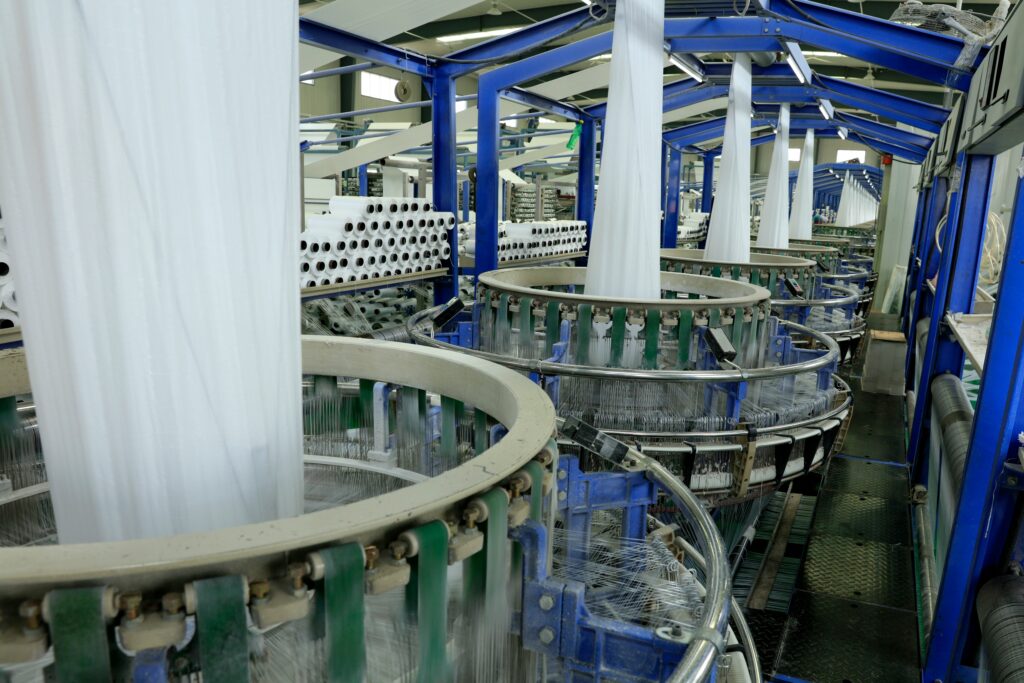
Why is Recycled Fiber More Expensive than Virgin Fiber?
Then there is the economics of who pays. Executives at this year’s Global Fashion Summit in Copenhagen were candid about the core problem: there is currently no financial incentive to choose circular materials over virgin ones. Recycled fiber routinely costs more than new fiber, and in a cost-of-living crisis, shoppers are not willing to absorb what industry insiders call a “sustainability premium.” That leaves brands stuck between higher input costs and price-sensitive consumers, with margin pressure pushing many toward the cheaper, dirtier option regardless of stated commitments.
As one sustainability executive put it, the market currently places no price on nature, while labor remains comparatively over-taxed — a distortion that rewards extraction over reuse.
How is Regulation Forcing Fashion to Change?
Regulation is starting to change the incentive structure, but unevenly and slowly. The European Union’s Digital Product Passport (DPP), which will require brands to document a garment’s materials, origin and end-of-life pathway, becomes mandatory in 2027. That deadline is forcing brands to build data infrastructure most of them do not yet have, and many are discovering that they cannot even trace their own multi-tier supply chains well enough to comply.
Meanwhile, global textile waste is on pace to reach roughly 148 million tons by 2030, a volume no amount of boutique recycling pilots can absorb. Verifiable transparency, not marketing language, is what regulators and increasingly institutional investors are demanding — and greenwashing, the industry’s long-standing coping mechanism, is losing its cover.
None of this means the situation is hopeless, and some of the more useful lessons are coming from brands that have stopped treating circularity as a communications exercise. The first real step is designing garments for disassembly from the outset; choosing mono-material construction and avoiding the fiber blends that make recycling chemically difficult, rather than trying to solve recyclability after the product already exists.
Gabriela Hearst’s use of deadstock fabric at scale and Primark’s push to source a defined share of its range from recycled or more sustainably sourced fiber both show that this can be done within a commercial collection rather than a niche capsule.
Second, brands need to treat resale, repair and take-back programs as core retail infrastructure rather than side projects. The resale market is projected to grow substantially by 2028, and consumers are already signaling they intend to keep garments longer. A brand that builds its own resale and repair channel keeps the customer relationship, keeps the material in circulation and gathers exactly the traceability data regulators are about to require anyway.
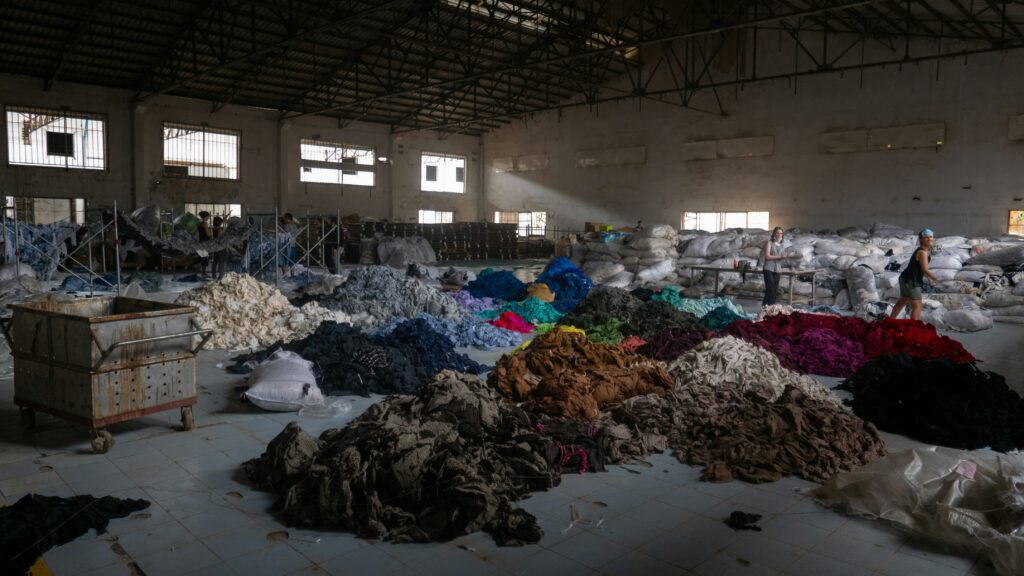
Third, the financial rules of engagement need to change, and brands have more leverage here than they admit. Pooling purchasing power to create real demand for recycled fiber and lobbying for the kind of resource taxation that would price in the environmental cost of virgin material as well as being transparent about the actual, unglamorous price of a truly circular supply chain would do more than another glossy sustainability report.
Fashion does not have a knowledge problem. It knows what circularity requires. What it has is a cost problem, a data problem and a courage problem — the willingness to redesign the business model rather than decorate the existing one.
The brands that move first on genuine redesign, rather than genuine-sounding language, are the ones that will still have a viable business once the regulations, the waste volumes, and the consumers all catch up to the promises the industry has already made.
Related article: How World Cup Tourists Are Discovering the Real America
Street Talk is the weekly newsletter for retail and fashion executives who want analysis, not noise. New issues every Thursday. Subscribe today.